
Introduction
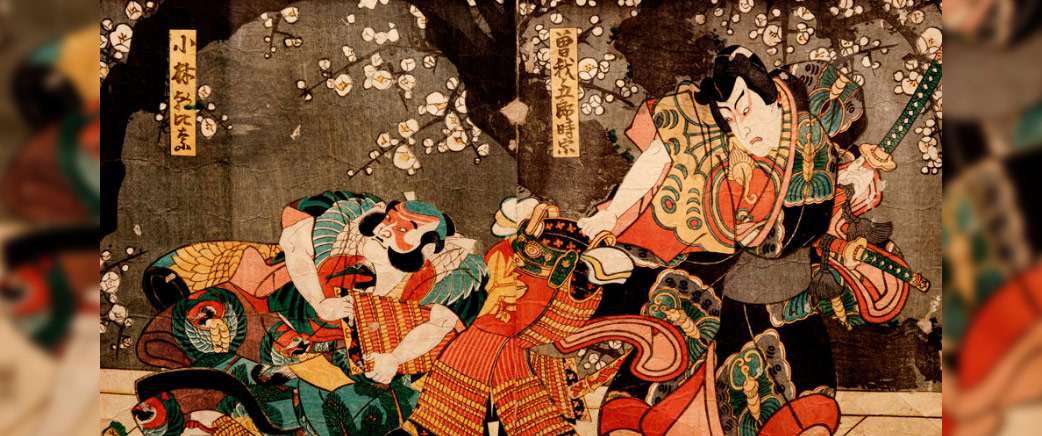
The art of Japanese woodblock printing is famous for its poetic storytelling, vibrant colors, and delicate lines. It beautifully displays traditional Japanese culture, daily life, nature, and landscapes. Art lovers, collectors, and artists love Japanese woodblock printing.
Artists carve an image into wood, dip it in ink, and press it onto paper. To achieve the best results, they need patience, precision, and immense craftsmanship. This art attracts attention because it is different from Western printing. Artists use water-based inks, which give prints clear, natural colors.
History of Japanese Woodblock Printing
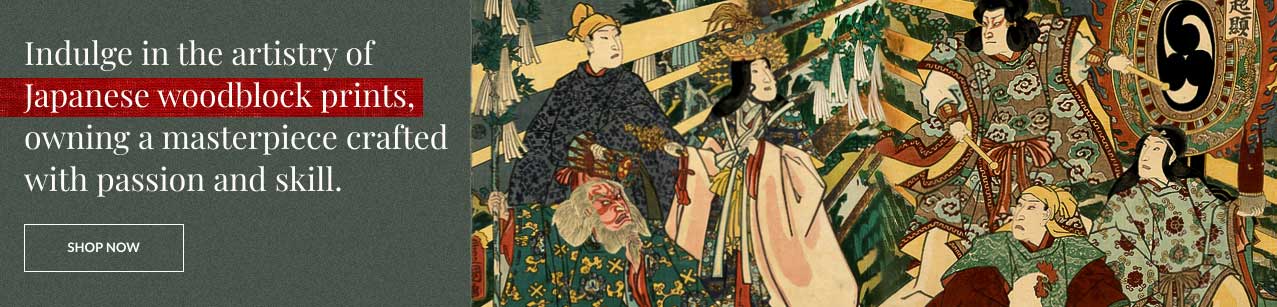
Japanese woodblock printing emerged in the 8th century. It was used to reproduce Buddhist texts. Nevertheless, this art developed a lot during the Edo period (1603–1868). It emerged as a popular form of cultural expression and entertainment.
Early Buddhist prints were reproduced in great quantities. The golden age produced many artists. When Japan opened itself to the rest of the world, woodblock prints became popular worldwide. Nowadays, traditional auditions and modern printmakers have preserved Japan's cultural legacy.
Style & Form of Japanese Woodblock Printing
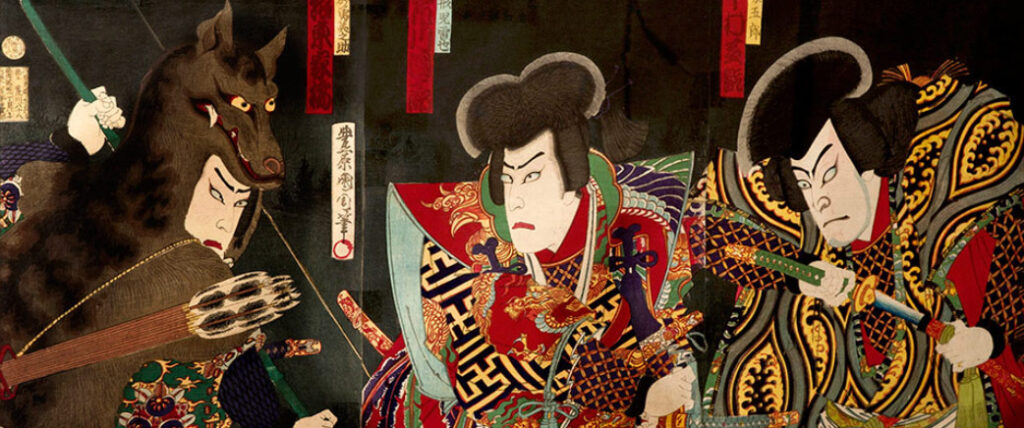
Japanese woodblock prints are famous for their emotional depth, clarity, and balance. They have some stylistic features:
Delicate Yet Bold Linework
In Japanese woodblock prints, outlines are carved with high accuracy. It gives the print an outstanding structure.
Flat Areas of Bold Colors
Traditional pigments such as safflower, vermilion, and indigo add richness to Japanese woodblock printing.
Atmospheric perspectives
Japanese woodblock prints are different from their Western counterparts. Artists use mist, gradients, and layered elements to make art more lively.
Process of Making Japanese Woodblock Prints
Artists create woodblock prints in several steps. This process is time-consuming & requires attention.
Concept & Design
First, artists create a sketch on thin paper.
Transferring the Design
Here, they paste the design on a woodblock for carving.
Carving the Block
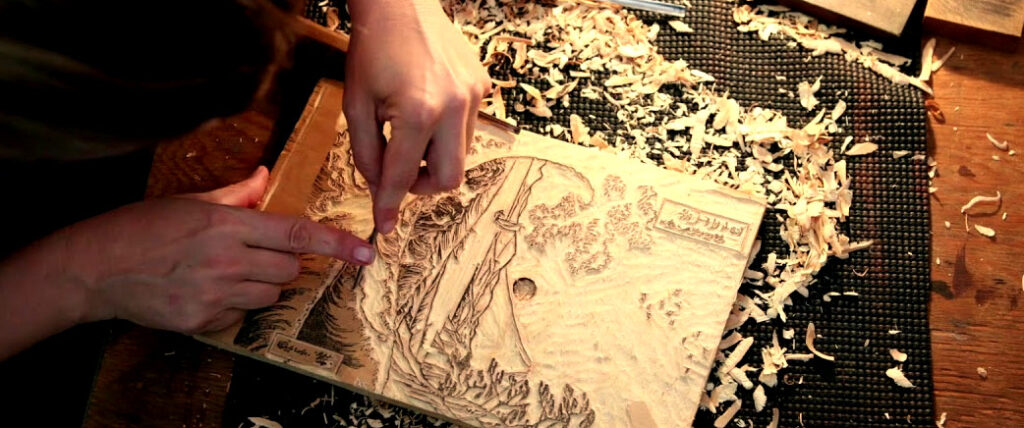
An artist removes the spaces around the lines. It leaves the raised surface that receives ink.
Separate Blocks for Each Color
In the artwork, each color has a separate block. As required, a single print may require 5, 10, or 20 blocks.
Art Printing
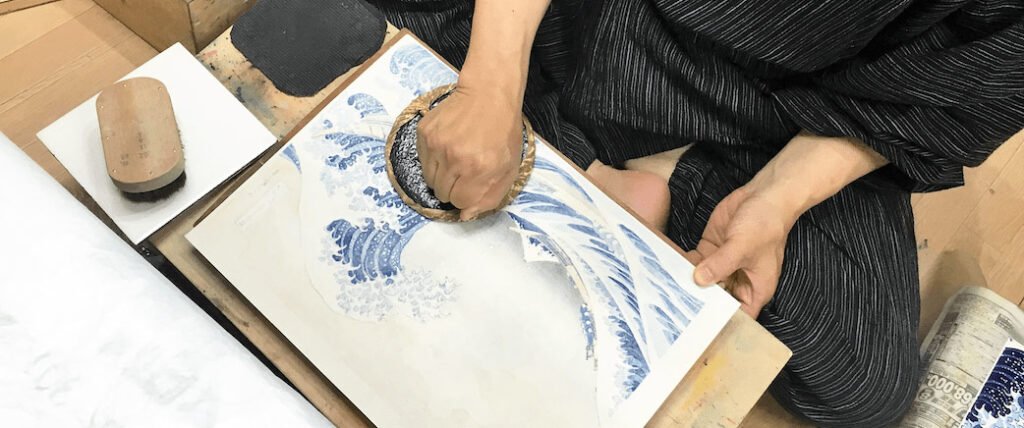
With the help of soft brushes and tools, the artist applies water-based pigments, puts Japanese handmade paper on the block, and rubs it with a bare tool. It transfers the image. Artists need to have a cautious approach during art printing. Too much pressure can destroy the print. Too little pressure can leave the colour uneven.
Layering Colors
Artists print the paper multiple times with many carved blocks. It helps to add depth to the art.
Final Artwork
At last, they let the artwork dry and see its quality. This slow and careful method makes Japanese woodblock prints unique.
Cultural Significance of Japanese Woodblock Printing
Woodblock printing represents Japan's identity. It is affordable and widely available. This art displays fashion, festivals, architecture, and the life of Japanese people. It works as a bridge between Western art and Japanese art. Thanks to Western art, Japanese woodblock printing has developed a lot in recent centuries. It also represents the core values of Japanese culture- harmony between nature, discipline, simplicity, and beauty.
Caring For Japanese Woodblock Prints
- Don't keep the painting in direct sunlight. Ultraviolet rays can destroy traditional pigments quickly.
- Keep the painting away from humidity. Excessive moisture can mold the paper and destroy the painting.
- Always use acid-free framing materials such as UV-protecting glass, stable backing material, and acid-free mat board. It will keep the painting safe from external damaging elements.
- Keep the painting in a cool and drive place. Get it framed to prevent damage to it.
- Handle the painting with dry hands.
Following all these will help the Japanese woodblock print last for many generations.