
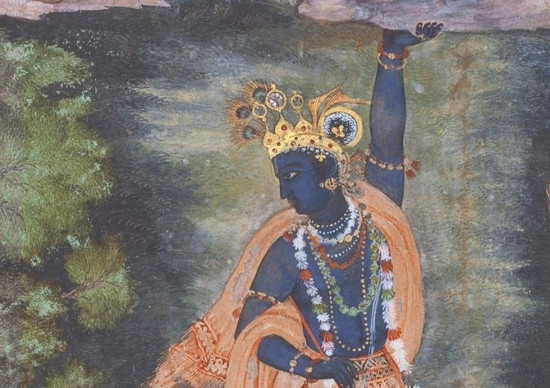
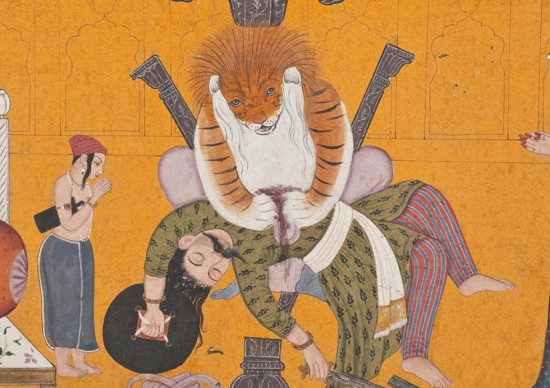
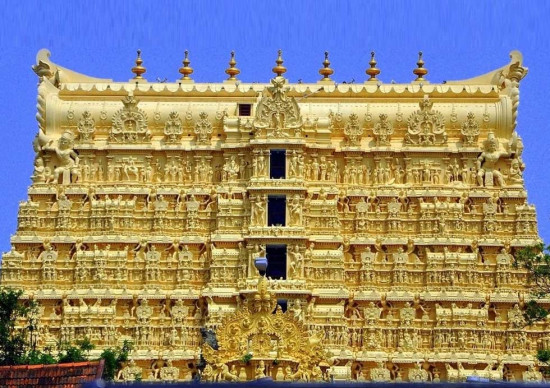
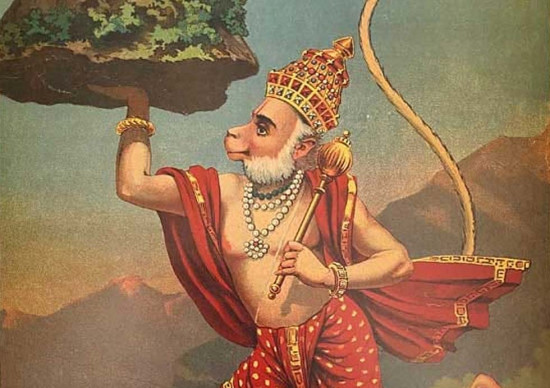
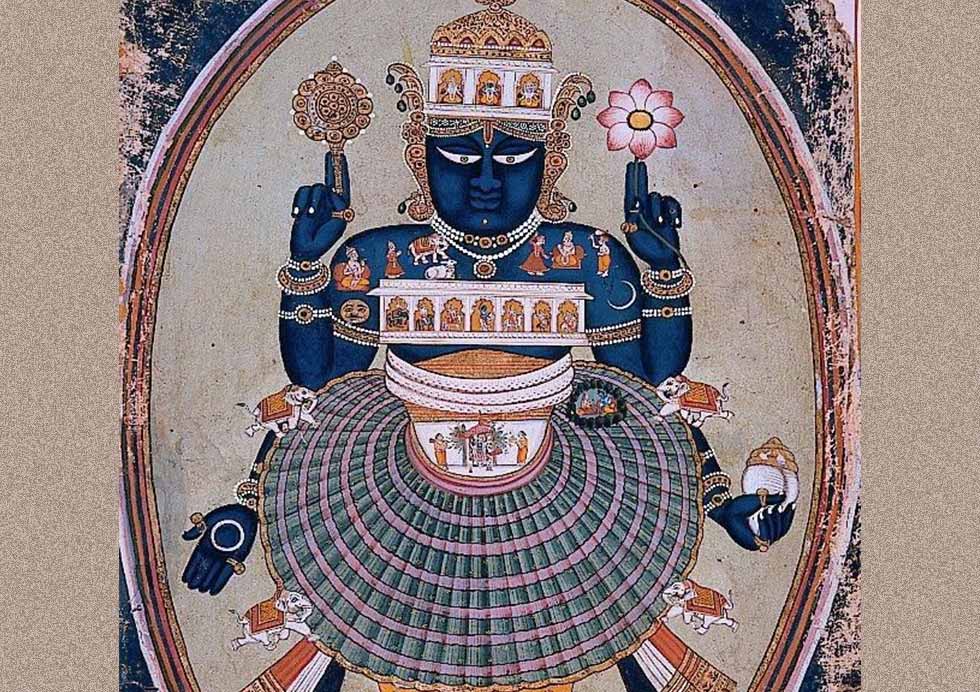
Lord Vishnu is a revered deity in Hinduism. He is one of the three Gods in the holy trinity of Gods. Lord Vishnu preserves and sustains the universe. Lord Brahma is the creator of the universe, while Lord Shiva is the destroyer of the universe. People have been worshipping Vishnu for ages. Ancient Vedic texts mention his worship. Lord Vishnu is an integral part of Hindu philosophy, religion, culture, and heritage. The presence of large and artistic Lord Vishnu statues in ancient temples of India and other places of the world bears testimony to this.
The Biggest Statue Of Lord Vishnu
No single statue is the largest statue of the deity Vishnu in India, but large-sized Vishnu statues do exist in various parts of the country.
One of them is the Ejipura Vishnu Vishwaroopa Statue. It is located in Bengaluru, Karnataka. Its height is 108 feet. The artists carved it on a single granite boulder. It depicts Lord Vishnu in cosmic Viswaroopam form. The statue has multiple heads and arms, which is a unique representation of the divine. The authorities inaugurated it in 2025.
When it comes to ancient statues of Lord Vishnu, these include Anantashayi Vishnu in Saranga, Odisha. It is the largest horizontal and exposed rock-cut sculpture of Vishnu in India. The statue is 15.4 metres long. Here, Vishnu is reclining on Shesha. This sculpture dates to the early 19th century.
Badami Vishnu is the next one, which is located in Badami, Karnataka. The craftsmen carved it in the sandstone cliffs. It dates to the 6th century CE. The Chalukya dynasty built this colossal relief.
The Shesh Shaiya is yet another Lord Vishnu big statue. This ancient sculpture is located in Bandhavgarh, Madhya Pradesh. It is a 35-foot-long reclining statue. Here, Lord Vishnu is resting on the serpent Sheshnag. The artists carved it on a single rock.
The Shesh Shaiya is yet another Lord Vishnu big statue. This ancient sculpture is located in Bandhavgarh, Madhya Pradesh. It is a 35-foot-long reclining statue. Here, Lord Vishnu is resting on the serpent Sheshnag. The artists carved it on a single rock.
Handcrafted By Skilled Artists
The craft of creating statues of Vishnu and other Hindu deities is a part of ancient Indian traditions and rich cultural heritage. The craft has passed through generations of artists. Some of them even trace their lineage to Vishwakarma, the divine architect. These artists used to receive patronage from kings in the past.
Carving statues is not just a job and a passion for these traditional artists, but an act of spiritual devotion for them. They follow a rigorous process for creating these statues and idols. It consists of the following stages.
The Sculpting Process
1. Conceptualisation And Design
Here, they perform a deep study of Hindu scriptures (Shilpa Shastras). This gives them a better understanding of correct iconography, expression, posture, and divine attributes of Lord Vishnu.
In this stage, they choose the materials for creating the statues and idols. They choose materials based on their traditions, durability, aesthetic preference, and the level of detail required.
The materials they use for carving these sculptures include stones like marble and granite. The other statue carving materials they use include wood like mahogany, oak, and walnut. They also use metals like brass and bronze for their artistic creations.
3. Sculpting And DetailingThe materials they use for carving these sculptures include stones like marble and granite. The other statue carving materials they use include wood like mahogany, oak, and walnut. They also use metals like brass and bronze for their artistic creations.
Skilled artisans carefully use various traditional tools to carve the figures on their chosen materials. They include gouges, mallets, V-tools, veiners, and carving knives.
Firstly, they create a general shape and form of the deity. Then they create intricate details of facial features, ornaments, royal garments, and symbolic items. Finally, they ensure the form of Vishnu’s attributes is correct and precisely placed. These attributes include conch, chakra, mace, and lotus.
4. Finishing And ConsecrationFirstly, they create a general shape and form of the deity. Then they create intricate details of facial features, ornaments, royal garments, and symbolic items. Finally, they ensure the form of Vishnu’s attributes is correct and precisely placed. These attributes include conch, chakra, mace, and lotus.
This is the final stage where artists focus on enhancing the appearance and spiritual readiness of the statue. The tasks they perform at this stage include refining the surface of the statue and applying paint or polish to the material. After they perform these tasks, priests bless the statue or idol during the Prana Pratistha. This is a religious ceremony. Then, the priests install the statue in a temple or shrine at home.
Artists put in a lot of hard work, maintain patience, and practise devotion in their craft. Thus, they can bring the statues and idols to life and give them a divine appearance.
Artists put in a lot of hard work, maintain patience, and practise devotion in their craft. Thus, they can bring the statues and idols to life and give them a divine appearance.
How To Support These Artists
These artists keep our religious and cultural traditions alive. They craft sacred and artistic statues, idols, and images of Lord Vishnu and other Hindu deities. Despite adversity, they continue to work with passion and devote efforts and time towards their craft. Devotees can support them by buying the statues, idols, or images they create. Cottage9 is one such platform that offers exquisite statues, idols carved by traditional artists.
Types Of Vishnu Statues
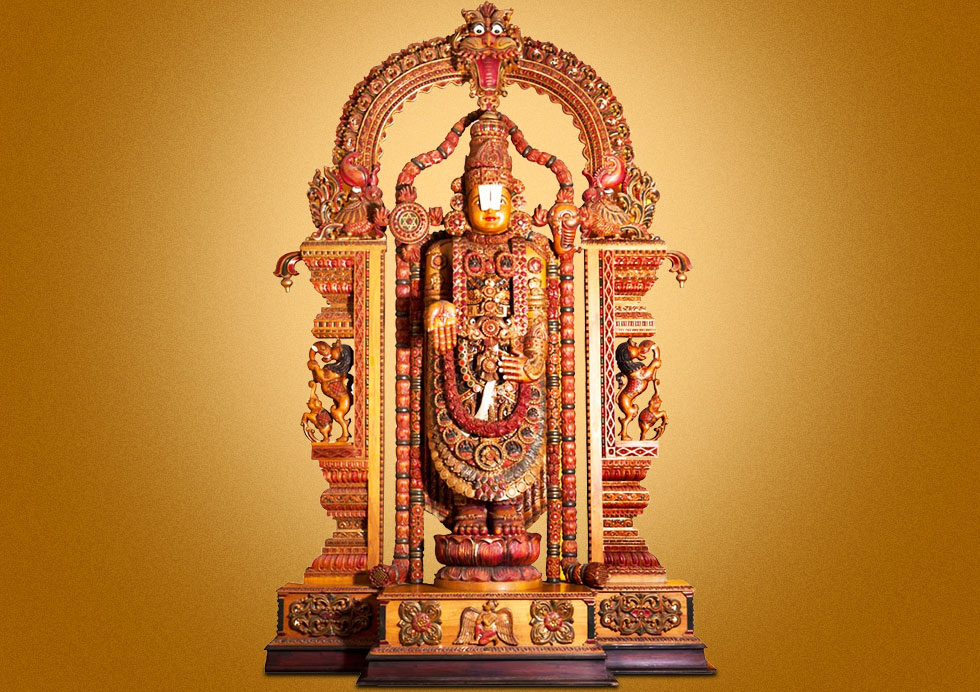
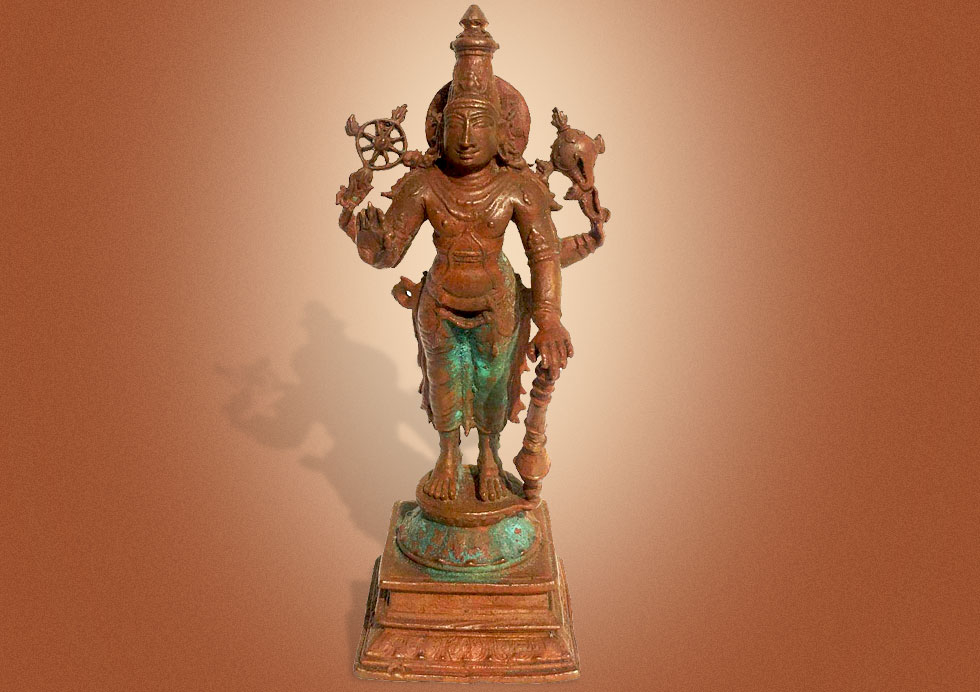
Various types of Lord Vishnu statues exist. They show the deity in different positions and avatars. Vishnu’s statue usually has four arms. They respectively hold Shankh (conch), Sudarshan Chakra (discus), Gada (mace), and Padma (lotus).
Positions
Standing
Vishnu is standing in the Sampadasthanaka pose in the standing or Chaturbhuja Vishnu statue. Here, both his legs are in a joined position. Vishnu looks composed and active at the same time. The statue represents him as an immovable divine force with eternal presence in all cosmos-related matters.
Reclining
The Padmanabhaswamy statue shows Lord Vishnu in a reclining position with Padma emerging from his navel. The Padma carries Lord Brahma. Goddess Lakhsmi and Shesha accompany him. This statue represents cosmic balance.
Sitting
Lord Vishnu is in the sitting position in some statues. He is in deep meditation.
Artists also sculpt statues that represent the 10 avatars of Vishnu. These are some popular ones.
Artists also sculpt statues that represent the 10 avatars of Vishnu. These are some popular ones.
Dashavatara Vishnu
Dashavatara Vishnu statues are a collection of various incarnations of Vishnu. Expert artists craft them in a traditional style.
Lakshmi-Narsimha Sculpture
Vishnu, in his Narsimha avatar, is sitting with Goddess Lakshmi. The Lakshmi-Narsimha sculpture symbolises a balance between the fierceness of Narasimha and the feminine gentleness of Lakshmi.
Ram Lalla
Lord Rama is another avatar of Vishnu. He is a highly revered deity. Here, the statue shows Rama as a young God, also known as Rama Lalla. He is the prince and king of the temple in Ayodhya.
Laddu Gopal
This statue shows Sri Krishna in his childhood form. Here, he is crawling with a sweet in his hand. The statue embodies the sweetness and auspiciousness of the world. The other popular Krishna idols are where Krishna plays a flute, and Radha and Krishna are together.
Conclusion
Lord Vishnu is a highly revered deity. He is an integral part of the Hindu religion and traditions. Skilled artists are playing their part in keeping these rich traditions and heritage alive. They are doing this by crafting artistic and exquisite statues, idols, and paintings of Lord Vishnu and other Hindu deities. You may also want to purchase a traditional Lord Vishnu brass statue sculpted by these artists. Alternatively, you may want some other Hindu deity idols or paintings created by these craftsmen. You can buy them from Cottage9, the best platform that offers sacred and artistic statues, idols, and paintings of various Hindu deities.