
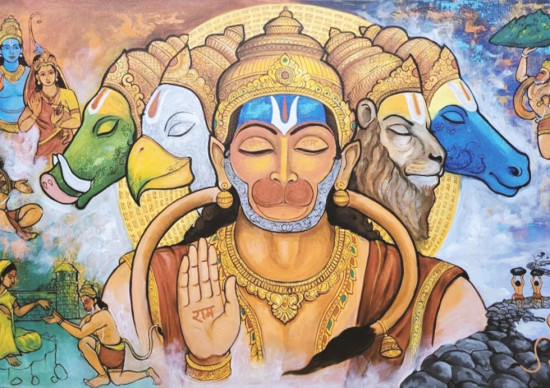
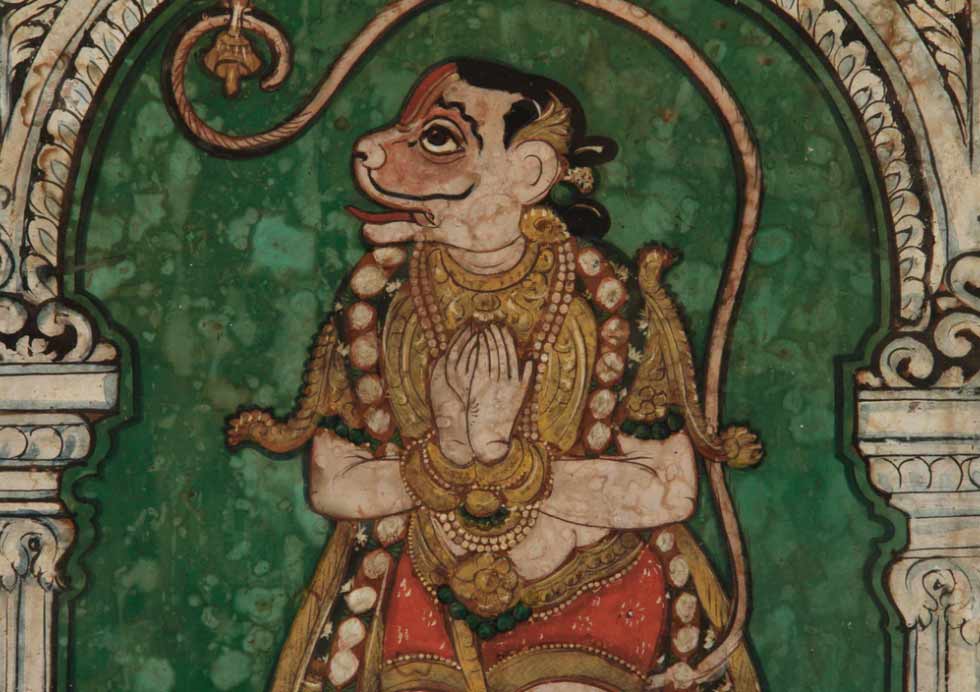
Hanuman Jayanti is a powerful and auspicious time across India, where people celebrate the birth of Lord Hanuman joyfully and seek their blessings. Lord Hanuman is the loving devotee of Lord Rama and an embodiment of strength, courage, and unwavering faith. He is also the avatar of Lord Shiva, who is immortal and capable of achieving anything. In Hanuman Jayanti, devotees visit Hanuman temples with their loved ones and seek for the blessings of Bajrangbali and honor his divine presence. Lord Hanuman is known by various names in Hinduism, such as “Mahaveer,” “Bajrangbali,” “Pavanputra,” and “Ramabhakta.” His devotees chant these names in devotion across the universe.
Here we will explore when Hanuman Jayanti is celebrated, his connection with Lord Rama, the significance of fasting on Hanuman Jayanti, and the importance of Hanuman Chalisa and Bajrang Baan.
Here we will explore when Hanuman Jayanti is celebrated, his connection with Lord Rama, the significance of fasting on Hanuman Jayanti, and the importance of Hanuman Chalisa and Bajrang Baan.
When is Hanuman Jayanti?
According to the Hindu calendar, the auspicious festival of Hanuman Jayanti is celebrated every year on the full moon day (Purnima) of Shukla Paksha in the Chaitra month. Devotees worship Lord Hanuman on this special day and believe that Bajrangbali is an incarnation of Lord Shiva and one of his most powerful manifestations.
Why is Hanuman Jayanti Celebrated Twice a Year?
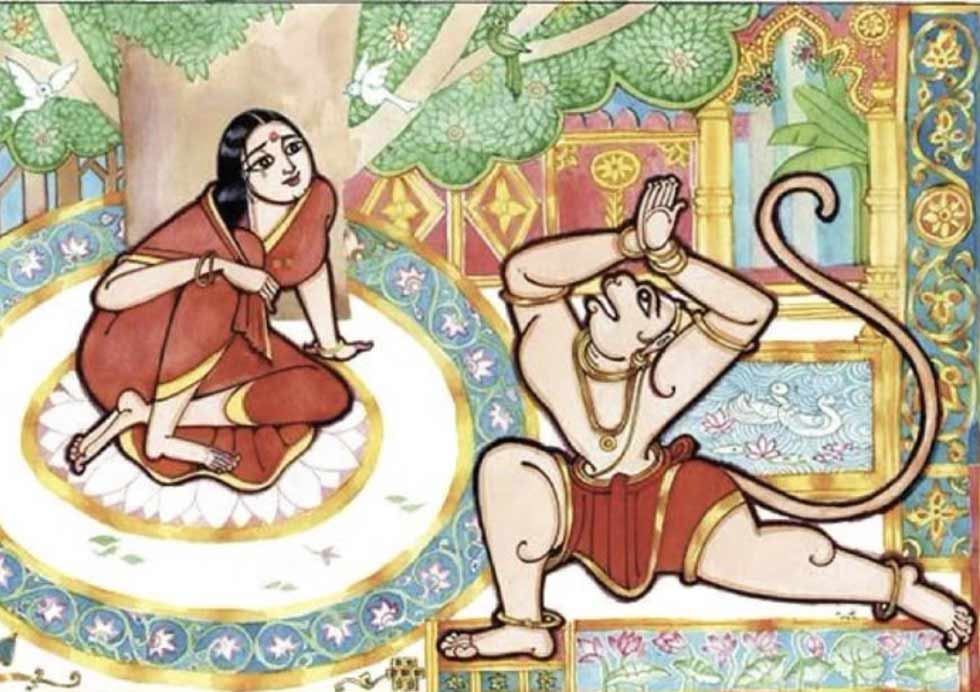
Hanuman Jayanti is celebrated on different dates across various parts of India. In North India, it falls on the full moon day (Purnima) of the Chaitra month, as it is believed to be the birth anniversary of Hanuman Ji. On the other hand, in some southern regions, Hanuman Jayanti is celebrated on Kartik Chaturdashi (the fourteenth day of Krishna Paksha in the month of Kartik). This day is significant because it is believed that Mother Sita granted Hanuman Ji the boon of immortality on this occasion. This means Hanuman Jayanti is celebrated twice a year, once in April-May (Chaitra month) and again in May-June (Krishna Paksha month).
Lord Hanuman Birth Story
The birth story of Hanuman is deeply rooted in Hindu mythology and it is mentioned in various holy scriptures or you can find in detail in the epic Ramayana. As we know, Lord Hanuman, the mighty Vanara god, was born to Mata Anjana and Kesari, who is the king of Vanaras (monkeys).
Anjana, seeking a divine child, performed intense penance, attracting the attention of Lord Shiva. Pleased with her devotion, Lord Shiva blessed her with a son who would possess unparalleled strength and serve a divine purpose.
There is the tale behind how Hanuman was born in the Vanaras (monkeys) Kingdom. According to the legend, a gorgeous Apsara, her name was Punjikasthala who was living at IndraLok. She was immensely talented and anyone can be mesmerized by her beauty.
One day, Rishi Durvasa visited Lord Indra and he was talking with him in a very serious discussion. At the same time, Punjikasthala kept moving in and out of Indra Sabha and her unnecessary distraction annoyed Rishi Durvasa.
Angry Rishi Durvasa cursed Punjikasthala to be born as a monkey on Earth. After hearing Durvasa’s curse, Punjikasthala begged to spare her from the curse. Rishi Durvasa, moved by Punjikasthala weeping, revised his curse and said that she would marry a Vanara monkey king on Earth. Additionally, She would be the mother of a very powerful son and he would be a devotee of Lord Rama and help him in Ramayan.
After a few years, Apsara Punjikasthala was born on Earth as the daughter of a monkey king and was named Anjana. One day, she witnessed a noble man engaged in a fierce battle with a vicious lion. She fell in love with him and his name was Kesari, the great king of the Vanaras Kingdom.
She married King Kesari and the couple pleaded to Lord Shiva to get him as their son. Lord Shiva granted their prayer. Simultaneously, King Dasharatha performed Yajna to fulfill the desire of heirs, but Wind deity Vayu, received a portion of the divine offering. He shared it with Queen Anjana, who gave birth to Lord Hanuman.
Lord Hanuman's birth was marked by remarkable accomplishments, where he tried to catch the sun, because he thought it was a mango. Hanuman also known as a "Pawan Putra" means the son of the Wind God (Vayu Dev).
Lord Hanuman's birth was marked by remarkable accomplishments, including his attempt to catch the sun, believing it to be a mango. He is also known as "Pawan Putra," meaning the son of the Wind God, Vayu Dev.
In the Ramayana, his ability to fly swiftly, carry mountains, and leap across oceans is attributed to his parentage, making him the worthy “Son of the Wind.”
Anjana, seeking a divine child, performed intense penance, attracting the attention of Lord Shiva. Pleased with her devotion, Lord Shiva blessed her with a son who would possess unparalleled strength and serve a divine purpose.
There is the tale behind how Hanuman was born in the Vanaras (monkeys) Kingdom. According to the legend, a gorgeous Apsara, her name was Punjikasthala who was living at IndraLok. She was immensely talented and anyone can be mesmerized by her beauty.
One day, Rishi Durvasa visited Lord Indra and he was talking with him in a very serious discussion. At the same time, Punjikasthala kept moving in and out of Indra Sabha and her unnecessary distraction annoyed Rishi Durvasa.
Angry Rishi Durvasa cursed Punjikasthala to be born as a monkey on Earth. After hearing Durvasa’s curse, Punjikasthala begged to spare her from the curse. Rishi Durvasa, moved by Punjikasthala weeping, revised his curse and said that she would marry a Vanara monkey king on Earth. Additionally, She would be the mother of a very powerful son and he would be a devotee of Lord Rama and help him in Ramayan.
After a few years, Apsara Punjikasthala was born on Earth as the daughter of a monkey king and was named Anjana. One day, she witnessed a noble man engaged in a fierce battle with a vicious lion. She fell in love with him and his name was Kesari, the great king of the Vanaras Kingdom.
She married King Kesari and the couple pleaded to Lord Shiva to get him as their son. Lord Shiva granted their prayer. Simultaneously, King Dasharatha performed Yajna to fulfill the desire of heirs, but Wind deity Vayu, received a portion of the divine offering. He shared it with Queen Anjana, who gave birth to Lord Hanuman.
Lord Hanuman's birth was marked by remarkable accomplishments, where he tried to catch the sun, because he thought it was a mango. Hanuman also known as a "Pawan Putra" means the son of the Wind God (Vayu Dev).
Lord Hanuman's birth was marked by remarkable accomplishments, including his attempt to catch the sun, believing it to be a mango. He is also known as "Pawan Putra," meaning the son of the Wind God, Vayu Dev.
In the Ramayana, his ability to fly swiftly, carry mountains, and leap across oceans is attributed to his parentage, making him the worthy “Son of the Wind.”
What is the Hanuman Jayanti Significance?
As per our Hindu scriptures, “Worshiping Lord Hanuman on the day of Hanuman Jayanti, life long troubles are removed and he fulfills your wishes. Devotees offer vermilion (Red Sindoor) to Bajrangbali on this special day, and also chant Hanuman Chalisa and Bajrang Baan to make him happy.
In Hinduism, Lord Hanuman is also known as Chiranjeevi (Immortal). Devotees believed that if we remember Hanuman ji at the time of crisis, then he comes himself to protect his devotees.
To avoid the side effects of Shani Dev, worship of Hanuman ji should be done. It is believed that Shani Dev never bothers the devotee of Bajrangbali. Hanuman ji showers happiness in the life of the one who worships them with peepal leaves, grams, laddoos, and red colored flowers on Hanuman Jayanti.
It is said that whenever people chant Lord Shri Rama name, Lord Hanuman is always present there. To please them, Ramcharit Manas should be recited on Hanuman Jayanti.
In Hinduism, Lord Hanuman is also known as Chiranjeevi (Immortal). Devotees believed that if we remember Hanuman ji at the time of crisis, then he comes himself to protect his devotees.
To avoid the side effects of Shani Dev, worship of Hanuman ji should be done. It is believed that Shani Dev never bothers the devotee of Bajrangbali. Hanuman ji showers happiness in the life of the one who worships them with peepal leaves, grams, laddoos, and red colored flowers on Hanuman Jayanti.
It is said that whenever people chant Lord Shri Rama name, Lord Hanuman is always present there. To please them, Ramcharit Manas should be recited on Hanuman Jayanti.
Why is Hanuman the Favorite of Lord Rama?
Lord Hanuman’s unwavering devotion and unparalleled strength made him Lord Rama’s most beloved devotee. He played a crucial role in the Ramayana, from finding Sita in Lanka to burning down Ravana’s kingdom and bringing the Sanjeevani herb to save Lakshman. Hanuman never sought personal glory; his only purpose was to serve Lord Rama with utmost dedication.
One of the most touching stories is when Lord Rama gave Hanuman a necklace of pearls. Instead of being pleased, Hanuman started biting each pearl, claiming that nothing was valuable to him unless it contained the name of Rama. When questioned about his devotion, Hanuman tore open his chest to reveal that his heart contained Lord Rama and Sita.
This divine bond between Lord Rama and Hanuman makes him one of the most revered deities in Hinduism.
One of the most touching stories is when Lord Rama gave Hanuman a necklace of pearls. Instead of being pleased, Hanuman started biting each pearl, claiming that nothing was valuable to him unless it contained the name of Rama. When questioned about his devotion, Hanuman tore open his chest to reveal that his heart contained Lord Rama and Sita.
This divine bond between Lord Rama and Hanuman makes him one of the most revered deities in Hinduism.
What is the Procedure of Hanuman Jayanti Fasting?
Many devotees observe a fast on Hanuman Janmotsav to seek his blessings. The fast is believed to bring courage, protection from evil, and spiritual progress.
Hanuman Jayanti Fast Procedure:
Early Morning Bath – Start the day with a bath before sunrise and wear clean clothes.
Sankalp (Vow) – Take a vow to complete the fast with devotion.Hanuman Puja – Devotees offer sindoor, flowers, and sweets to Lord Hanuman (Laddu or jaggery).
Hanuman Jayanti Fast Procedure:
Early Morning Bath – Start the day with a bath before sunrise and wear clean clothes.
Sankalp (Vow) – Take a vow to complete the fast with devotion.Hanuman Puja – Devotees offer sindoor, flowers, and sweets to Lord Hanuman (Laddu or jaggery).
Reciting Hanuman Chalisa and Bajrang Baan – Chanting these powerful prayers brings divine protection.
Reading Ramayana – It’s believed that reading the Sundara Kanda or reciting Lord Rama name make Hanuman happy.
Breaking the Fast – The fast is broken after sunset by consuming prasad.
Devotees visit temples and chant the Hanuman Chalisa throughout the day. Fasting on Hanuman Jayanti heals the mind, body, soul and leads to a spiritual life.
Chant Hanuman Chalisa
Reciting the Hanuman Chalisa 108 times on Hanuman Jayanti is believed to fulfill wishes, remove negativity, and bring divine blessings.
Recite Hanuman Ashtak
Chanting the Bajrang Baan and Sankat Mochan Hanuman Ashtak grants relief from troubles and strengthens faith.
Devotees visit temples and chant the Hanuman Chalisa throughout the day. Fasting on Hanuman Jayanti heals the mind, body, soul and leads to a spiritual life.
Chant Hanuman Chalisa
Reciting the Hanuman Chalisa 108 times on Hanuman Jayanti is believed to fulfill wishes, remove negativity, and bring divine blessings.
Recite Hanuman Ashtak
Chanting the Bajrang Baan and Sankat Mochan Hanuman Ashtak grants relief from troubles and strengthens faith.
Is Lord Hanuman Immortal?
Lord Hanuman is considered an immortal deity (Chiranjivi) due to a boon granted to him and his divine nature. Here are the key reasons behind his immortality:
- In Ramayana, Lord Rama was highly impressed by Hanuman’s devotion, loyalty, and he granted Hanuman immortality and said that as long as people worship Rama and chant his name, Hanuman will remain on earth.
- As per Hindu scriptures, Lord Hanuman is one of immortals, who come along with Ashwatthama, King Bali, Vyasa, Vibhishana, Kripacharya, and Parashurama at the end of Kaliyuga.
- As a child, Hanuman tried to swallow the Sun, but Lord Indra struck him with his Vajra weapon, and he became unconscious. In response, his father, Vayu Dev, stopped the flow of air that caused distress in the universe. Then, Lord Brahma and other gods blessed Hanuman with invulnerability and immortality to appease him.
Is Lord Hanuman Still Alive?
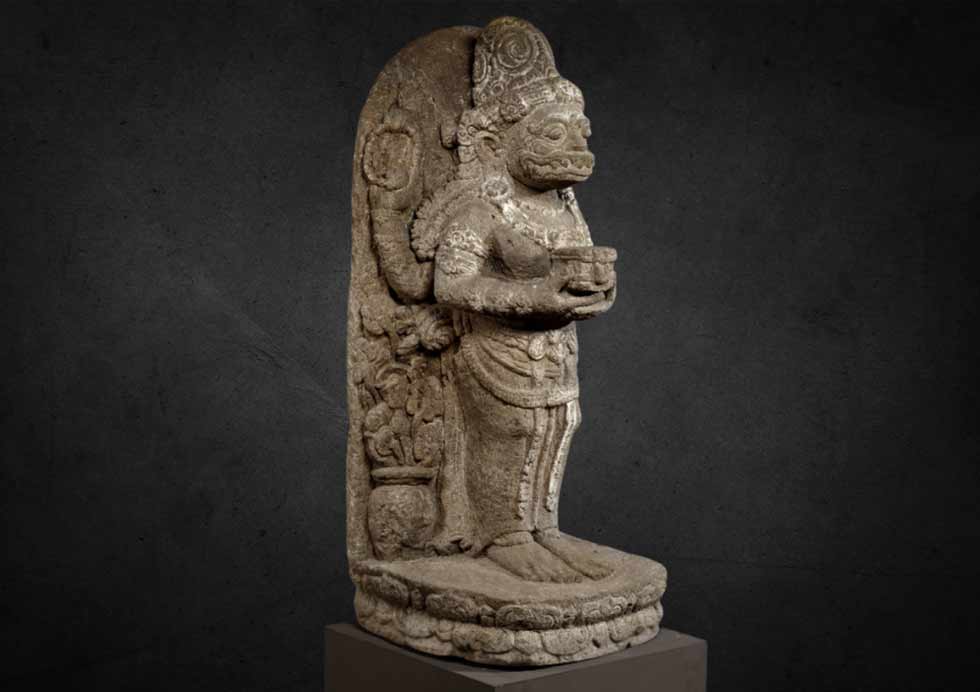
Many devotees believe that Hanuman is still present in subtle form and appears to those who have pure devotion. Some saints and spiritual leaders claim that Hanuman visits the secluded Mathang tribe in Sri Lanka every 41 years. They also said that he resides on the Gandhamadana mountain and continues to watch over devotees and serve Lord Rama even in the current age (Kaliyuga).
Happy Hanuman Jayanti: A Celebration of Faith & Strength
As Hanuman Janmotsav approaches, devotees around the world celebrate Lord Hanuman's birthday by observing a Vrat (fast), reciting the Hanuman Chalisa or Bajrang Baan throughout the day.
Lord Hanuman is a profound symbol of loyalty and devotion. He is revered for his incredible strength and sharp intellect. His teachings emphasize the power of devotion and the mastery of the five senses such as smell, taste, sight, touch, and hearing.
On this Hanuman Jayanti, if you wish to bring a Lord Hanuman idol or statue into your home, explore the Cottage9 website and seek his blessings for strength, wisdom, and unwavering devotion to the divine.
Happy Hanuman Jayanti!
Lord Hanuman is a profound symbol of loyalty and devotion. He is revered for his incredible strength and sharp intellect. His teachings emphasize the power of devotion and the mastery of the five senses such as smell, taste, sight, touch, and hearing.
On this Hanuman Jayanti, if you wish to bring a Lord Hanuman idol or statue into your home, explore the Cottage9 website and seek his blessings for strength, wisdom, and unwavering devotion to the divine.
Happy Hanuman Jayanti!