
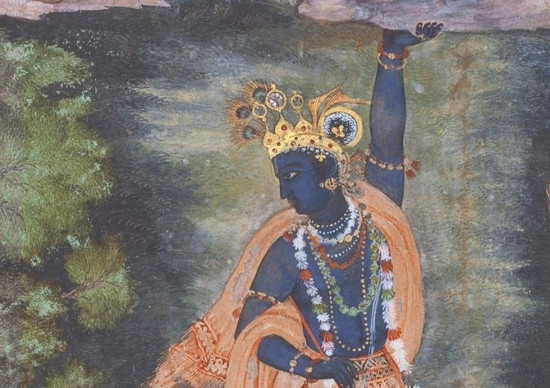
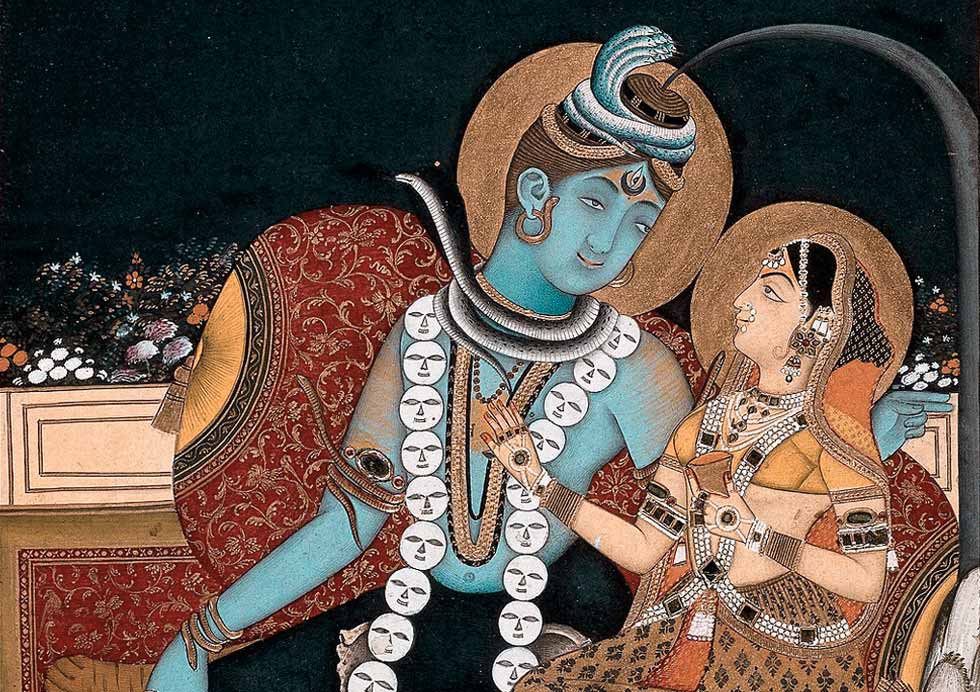
Maha Shivaratri is a prominent Hindu festival associated with the worship and honor of Lord Shiva. It falls on the moonless night in the month of Phalgun. As Maha Shivaratri 2026 is drawing near, the festival has already started generating fervour and enthusiasm among devotees. It is a highly auspicious occasion for spiritual awakening and inner transformation. People celebrate the Maha Shivratri festival by performing various religious activities. They include paying homage to the Shiva lingam, fasting, chanting hymns, etc. In this blog by Cottage9, we will explain the spiritual significance of Maha Shivratri for millions of Hindus across the country and beyond.
When is Maha Shivaratri 2026?
Maha Shivaratri this year will be held on Sunday, 15 February 2026. It falls on Phalgun Krishna Chaturdashi as per the Hindu lunar calendar. This auspicious day falls right at the end of the winter season or just before the beginning of the summer season. Maha Shivaratri means “The Great Night of Shiva.” It is celebrated at night.
People pray to Lord Shiva, pay homage to him, and seek his blessings to overcome darkness and ignorance in their lives. They perform various religious and spiritual activities on this day. This helps them experience the deity’s divine energy and detach themselves from materialistic things.
Religious Significance of Maha Shivaratri
Lord Shiva married Parvati on the day of Maha Shivaratri. Parvati was Maa Sati in her previous birth. To attract Lord Shiva, she performed Tapasya with deep devotion and penance. She lived in the cold and ate nothing. This proved that her love was stronger than any physical hardship. Thus, Parvati was able to attract Lord Shiva through her devotion and marry him.
The marriage of Lord Shiva with Parvati makes this festival significant for married couples. Similarly, Maha Shivatrai holds significance for unmarried women seeking a good husband. Women perform the traditional Maha Shivaratri Puja on this day in the temples. They perform it by offering water, milk, Bel leaves, flowers, and fruits like ber to the Shiva Lingam. Moreover, women light up incense sticks during the puja. They also perform 3 or 7 circumambulations around the Shiva Lingam.
According to the Hindu mythology, Parvati offered prayers on this day to keep away any evil that may harm her husband. Therefore, women pray for the well-being of their sons and husbands on this day by bathing the Shiva Lingam with milk.
Devotees decorate the linga with flowers and garlands and offer fruits and incense sticks to Lord Shiva. They perform these gestures to invoke the deity’s blessings to protect the world from evil and for the sake of humanity's well-being.
Various things used for Shiva Puja represent different aspects of spirituality. Bathing the Shiva Lingam with water and milk and offering of Bel leaves represents purification of the soul. The application of vermillion after the bath indicates virtue. Presenting fruits during worship symbolizes fulfillment of desires and longevity. The burning of incense sticks depicts wealth. Betel leaves symbolize contentment from worldly desires. The lighting of lamps indicates the attainment of wisdom and knowledge.
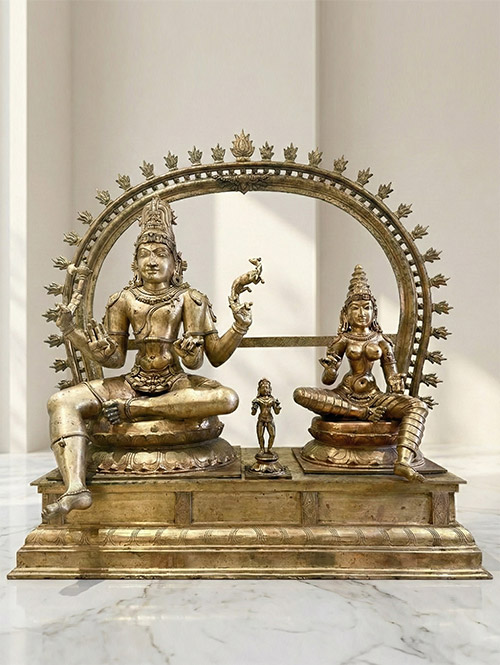
Other Activities Performed During Maha Shivatri
Fasting is one of the main activities performed during this auspicious festival. Maha Shivaratri fasting rituals involve Nirjala as well as Phalahar fasting. People avoid taking food or water while observing nirjala fasting. They consume only fruits and milk throughout the day while observing Phalahar fasting. Fasting on Maha Shivaratri symbolizes self-discipline and purification of the mind for enhanced spiritual experience.
Take a Sacred Bath
People take a bath in sacred rivers like the Ganga. Moreover, they perform a purification ritual that involves worshiping the Sun, Shiva, and Vishnu. After taking a bath, they wear clean clothes and carry pots of water to the temple. They pour this water on the Shiva Lingam.
Take Part in Jaagrans
People take part in night-long vigils at the temples and participate in Jaagrans held there. They chant hymns and sing devotional songs (bhajans). Moreover, devotees recite scriptures.
Artists are dressed as Shiva and perform the Tandava dance in temples and fairs. Lord Shiva performed Tandava, a cosmic dance associated with creation and destruction.
Visit Ancient Temples
Many devotees visit ancient Lord Shiva temples across the country to seek his blessings for peace and prosperity in their lives. Religious fairs are also organized on this day, in which deities from various regions converge. Devotees from various parts of the country and the world take part in these fairs.
Extend Wishes to Friends & Family
People also exchange happy Maha Shivaratri wishes with their friends, family members, and acquaintances. They seek Lord Shiva’s blessings to remove obstacles from the lives of their loved ones and bestow success and prosperity on them.
-3-feet.jpg)
Social Significance of Maha Shivaratri
The festival of Maha Shivaratri holds tremendous spiritual and religious significance for devotees. This is visible in various acts of worship and meditation performed by people. They include performing puja, fasting, taking a sacred bath, attending vigils, reading scriptures, and chanting hymns. Moreover, the festival is deeply interwoven with the social and cultural fabric of millions of Hindus. People come together to take part in fairs, processions, and night-long celebrations. This helps foster unity, community, and shared cultural experiences among people from different regions of the country.
Conclusion
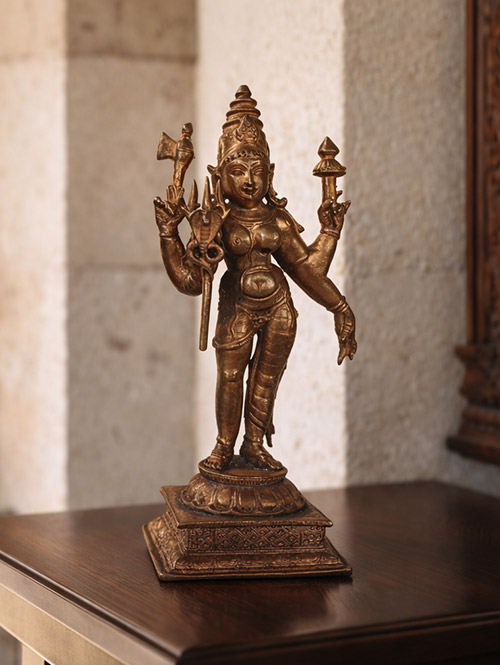
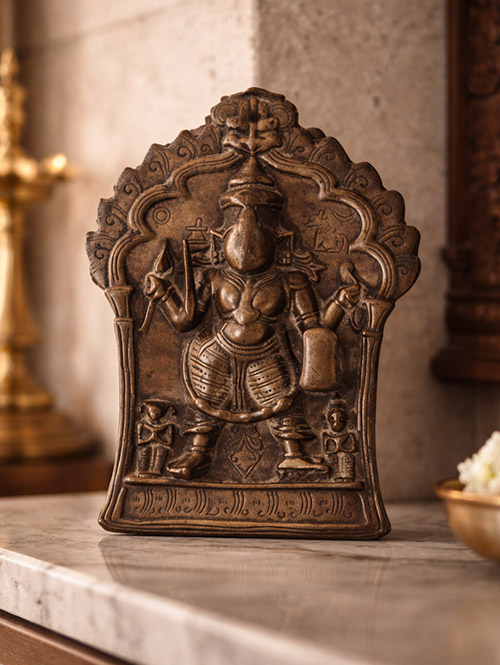
Maha Shivaratri is an auspicious festival for Hindus. They perform various spiritual and religious activities on this day and seek Lord Shiva’s blessings for peace and prosperity in their life. Devotees can enhance their fervour and devotion on Maha Shivaratri with artistic idols and paintings of Lord Shiva and Parvati. Cottage9 is the best place to buy intricately designed idols and paintings of various Hindu Gods and Goddesses.