
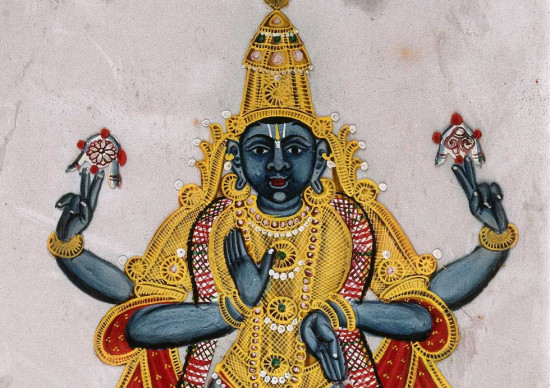
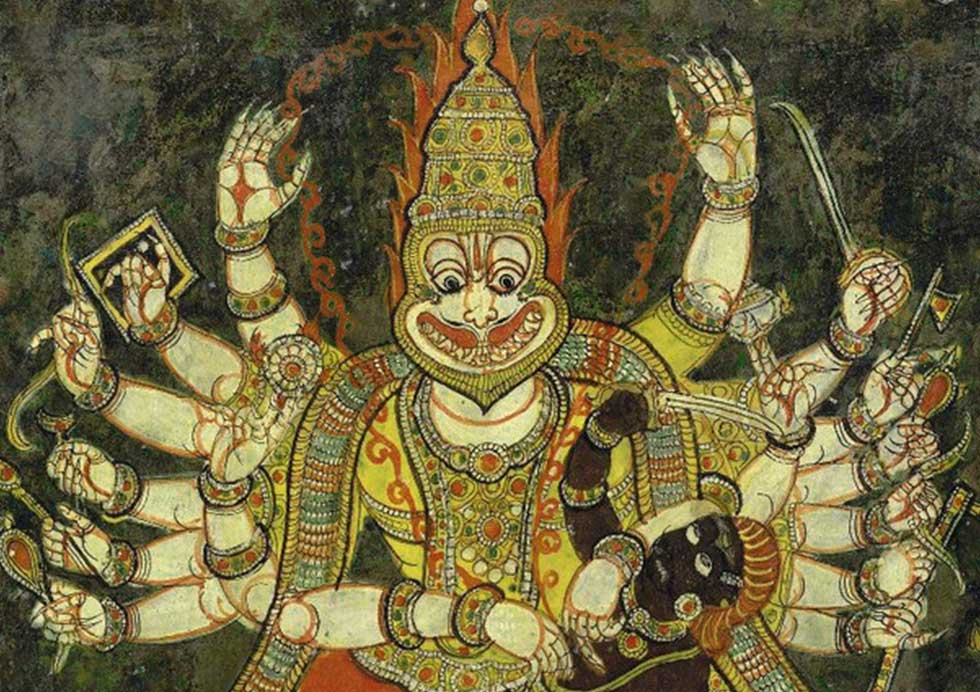
Lord Vishnu took the Narasimha avatar to protect his devotee, Prahlad. He is half-lion and half-human. People across India, especially in Odisha, worship Lord Narasimha. He represents courage and justice. Devotees celebrate Lord Narasimha Jayanti to dispel negativity from their lives. In this blog by Cottage9, we will discuss the story behind the Narasimha avatar and how people celebrate this day to invite peace and strength into their lives.
Who Is Lord Narasimha?
Who Is Lord Narasimha?
Lord Narasimha is the avtar of Lord Vishnu, who is the fourth incarnation. In Narasimha, Nara means man, and simha means lion. It symbolizes beast strength and human intelligence. He is one of the most revered avatars of Lord Vishnu. He took this avatar to protect his devotee, Prahlad, kill the demon King Hiranyakashipu, and reestablish Dharma. Lord Brahma granted Hiranakashipu a formidable boon after he pleased him, rendering him virtually invincible. Lord Narasimha defeated Hiranyakashipu and symbolizes the victory of good over evil. The evil side may appear powerful, but in the end, righteousness always wins.
What does Lord Narasimha symbolize?
What does Lord Narasimha symbolize?
Lord Narasimha's avatar has considerable significance. This incarnation of Lord Vishnu, an avatar of human and animal forms, embodies a crucial balance between intellect and power. Narasimha, as a protector of his devotees, personifies the divine love and the safeguard extended to those who live with Dharma. He communicates a powerful truth that even in the face of evil's seeming strength, dharma always triumphs. Furthermore, individuals who revere Lord Narasimha seek his guidance for fortitude and bravery in navigating adversity.
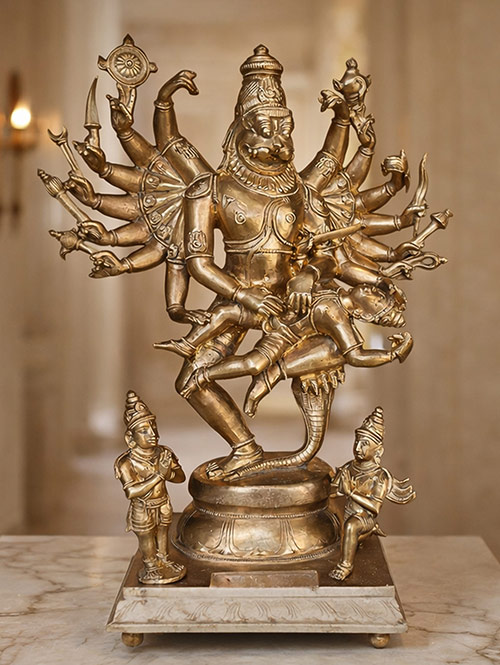
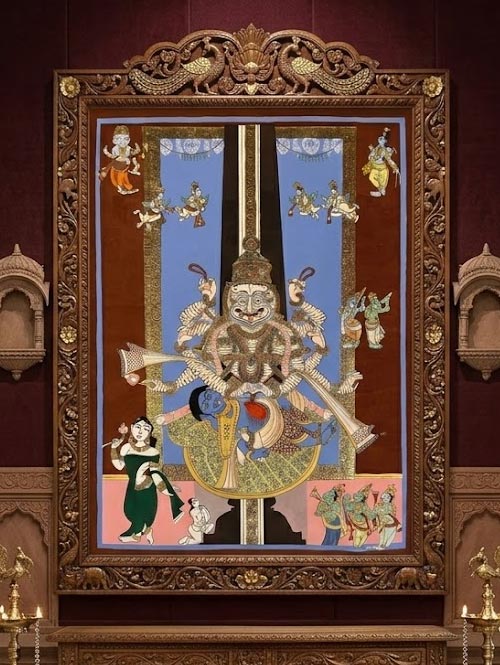
This symbolism transcends mere religious context, serving a practical purpose by motivating individuals to confront challenges with unwavering faith, self-assurance, and resilience. The Narasimha Jayanti painting, in which Narasimha is tearing apart Hiranyakashipu, serves as a powerful reminder that divine strength can establish tyranny.
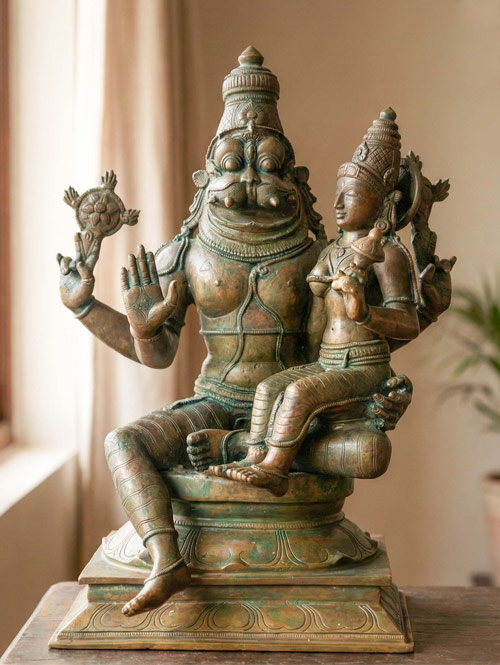
Story Behind Narsimha Jayanti
Story Behind Narsimha Jayanti
The Puranas, particularly the Vishnu Purana and the Bhagavata Purana, tell the story of Narasimha Jayanti. Narasimha Jayanti 2026 will fall on April 30. A deity gave Hiranyakashipu, the demon king who wanted to rule the universe, a boon that made it impossible for any living thing to slay him. Whether a person or an animal did it, inside or outside, during the day or night, on earth or in the sky, with weapons, or any living thing did it. His pride and cruelty became too much to tolerate. Lord Vishnu took on the avatar of Narasimha, which is neither human nor animal, to protect his follower Prahlada and restore Dharma. He defeated him at twilight (not day or night) on the steps of a palace (not inside or outside) and killed Hiranyakashipu with his claws (not weapons), carrying out the divine plan and bringing order back to the universe.
How do People Celebrate Narasimha Jayanti?
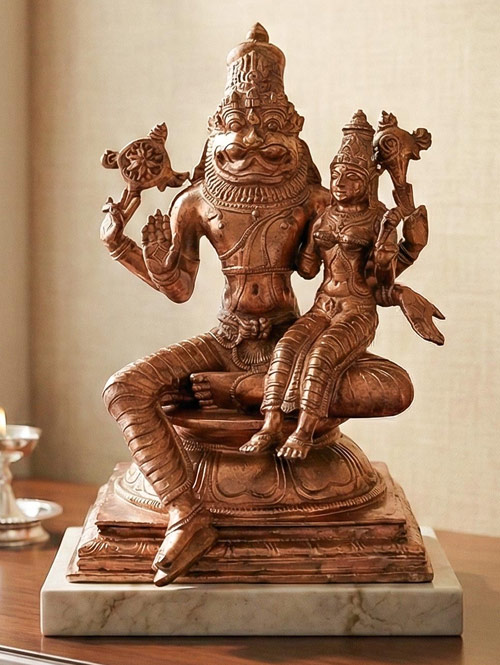
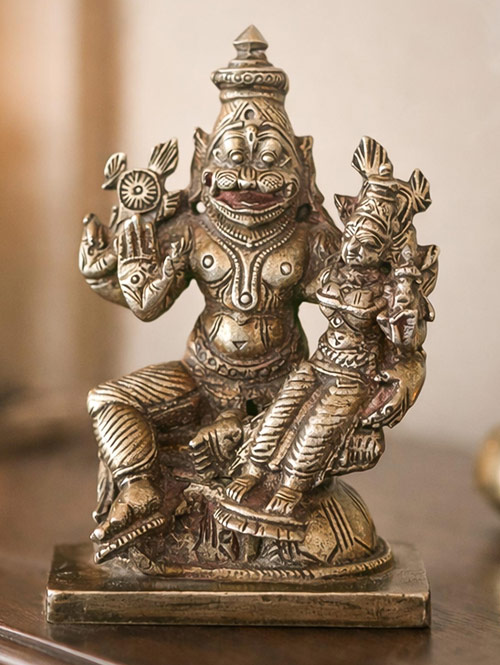
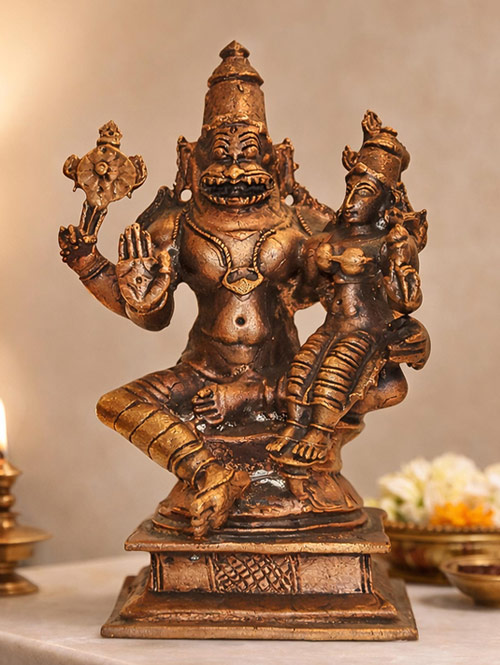
Devotees celebrate this day with great devotion. People start their day by purifying themselves, taking a bath, and wearing fresh clothes. Many keep fast and believe that fasting attracts positive energy. In the home temple, devotees keep the Lord Narasimha idol with Goddess Lakshmi. They offer flowers, fruits, and sweets. In front of the idol, devotees meditate and do puja with devotion. To bring the blessing of Lord Narasimha to your home, add a Lakshmi Narasimha silver idol from Cottage9. We have a beautiful collection of idols that bring positivity to your environment.
Spiritual Benefits of Worshipping Lord Narasimha
People worship Lord Narasimha for various reasons. People believed that worshiping him brings good health and boosts courage. He destroys fear and protects from negativity by removing negative energies and bad luck. He symbolizes the triumph of righteousness over evil; worshipping him gives strength to overcome any obstacle in life. To gain such benefits in your life, bring the Lord Narsimha Jayanti painting to your home. Shop Mysore painting of Narasimha from Cottage9. This piece suits spiritual settings well, and it adorns homes beautifully and makes a thoughtful gift.
Conclusion
In essence, devotees observe Lord Narasimha Jayanti to invoke divine protection and courage. Narasimha, a formidable avatar of Vishnu, encourages his followers to conquer virtue, confront their fears, and trust in the divine. Devotees learn spiritual resilience, moral guidance, and the safeguarding presence of the divine through meditation or worship of Lord Narasimha. The core message of Narasimha, communicated through all his forms, emphasizes the triumph of virtue, the empowerment of courage, and the security provided by faith. Cottage9 shares Narsimha Jayanti wishes to you and your family.
FAQs
Why did Lord Vishnu take the fierce avatar of Lord Narasimha?
He transformed into a being that was part man, part lion to meet the condition of Hiranyakashipu's boon. The boon had specified that neither man nor beast could bring about his demise. Lord Narasimha meets the condition of the boon given by Lord Brahma and kills Hiranyakashipu.
At what time did Lord Narasimha kill Hiranyakashipu?
The boon was in favour of Hiranyakshipu. He was not killed during the day or the night. Lord Narasimha defeated him at twilight, neither the day nor the night.
Where did the Narasimha avatar appear from?
Instantly, Lord Narasimha appeared from a stone pillar within Hiranyakashipu's palace. This entrance followed the king's challenge to his son Prahlada, who had been asked to prove that God was omnipresent.
How is Lord Narasimha Jayanti celebrated?
Devotees celebrate Lord Narasimha Jayanti by offering flowers, fruits, and sweets to the Lord Narasimha idol and reciting the Vishnu Puran and celebrating Dharma.
What is the significance of fasting on Narasimha Jayanti?
People think that fasting on Narasimha Jayanti cleanses the mind and body and is a sign of discipline. Devotees believe that it brings the blessings of Lord Narasimha, who protects against evil and gives people spiritual strength and wisdom.