



If you have a good print in your home, it can change a room without raising its voice. Japanese woodblock prints do this well because they have flat colors, confident lines, and scenes taken from everyday life in old Japan. They are also collectible, which is why many buyers see them as more than decoration. In this blog, we will discuss what makes them special, how they are made, and what to check before buying.
What Makes Japanese Woodblock Prints Special?
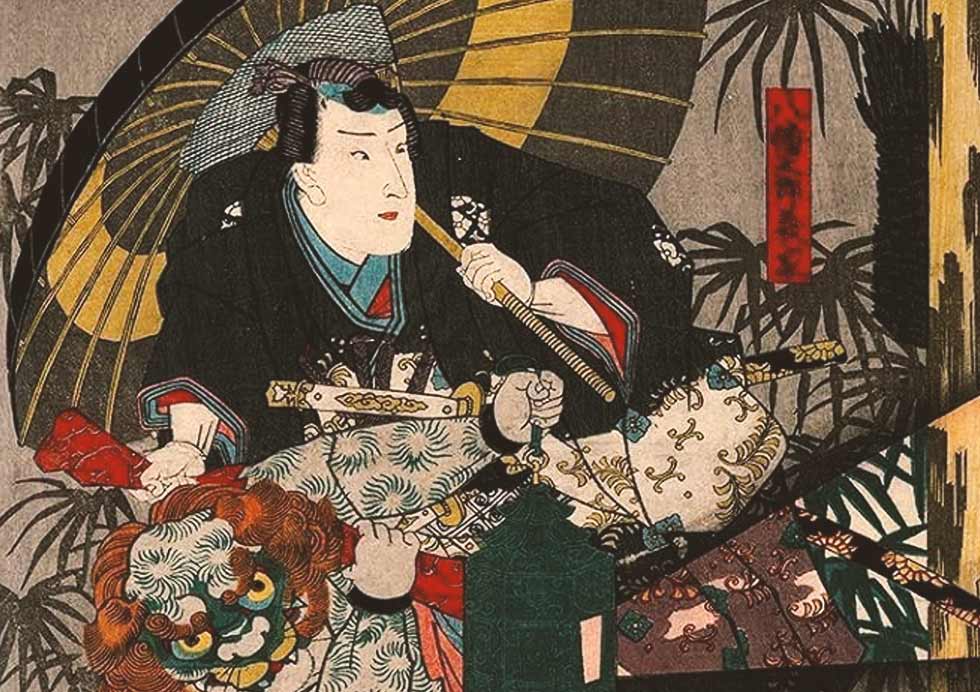
These prints are something where painting meets craft. It is a beautiful process. An artist drew the design, a carver cut it into wood, and a printer pressed it onto paper by hand. Behind every sheet is woodblock printing in Japan. This artwork has been passed down through many generations. Much of this work belongs to ukiyo-e art, often translated as “pictures of the floating world”.
The favorite subjects were actors, beauties, and landscapes. Collectors are more inclined towards this art because every sheet carries a bit of Edo-period taste and the maker’s hand. Cottage9 describes its print as an antique piece on Japanese rice paper, made 100 to 300 years ago. See them in our Japanese prints collection.
History & Craft Behind Japanese Woodblock Printing
How woodblock printing in Japan developed
The craft began with Buddhist texts and simple religious images. During the Edo period, that is, 1603 to 1868, woodblock printing in Japan turned into a popular trade. Ukiyo-e art became the best-known result, and its bold color and composition later caught the attention of European artists.
How traditional Japanese prints are created
Making one print took a team. First, the artist drew the design, and a carver glued it to a block of wood and cut away everything except the lines. A printer then inked the block and pressed paper onto it. Each block carried one part of the image, so colors were layered one at a time. Accurate alignment is very important in making this artwork. If a block shifted even slightly, the picture would blur.
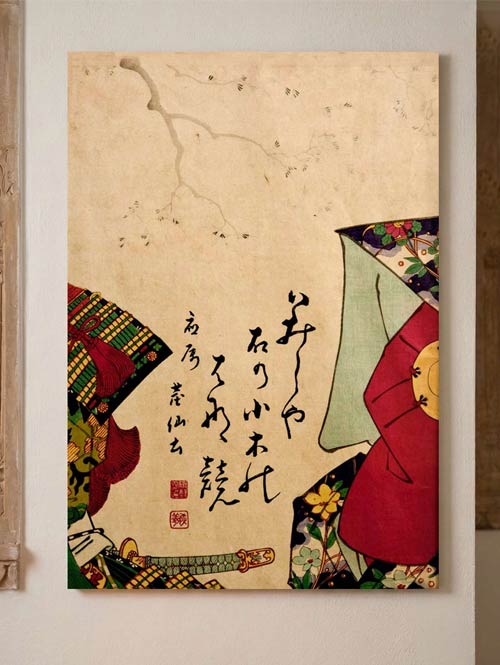
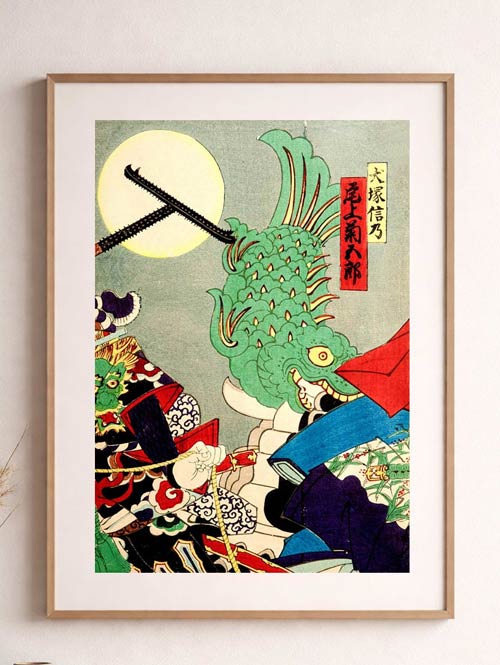
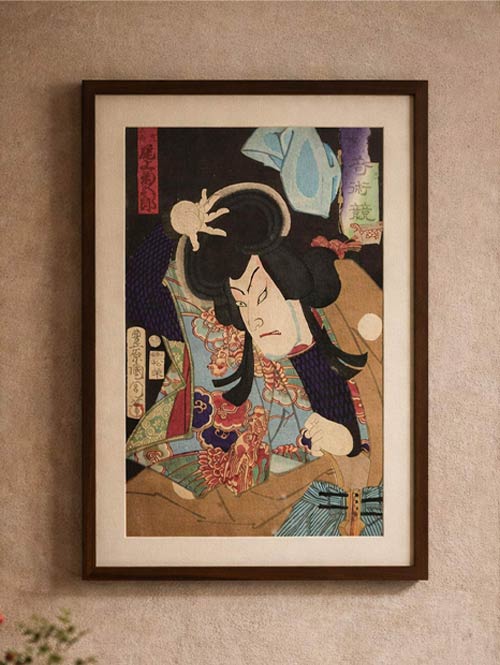
Why Japanese Woodblock Prints Are Collectible
Artistic value and cultural significance
Each print records how people dressed, worked, and imagined their world. The carved lines and layered colors reflect skills that woodblock printing in Japan passed from one workshop to the next. Blocks wore down with use, so only a limited number of sharp impressions could be pulled, and fewer survived in good shape.
Famous artists and their influence
Katsushika Hokusai, Utagawa Hiroshige, and Kitagawa Utamaro are the names most people know. Hokusai is usually tied to dramatic seascapes, Hiroshige to travel scenes, and Utamaro to elegant portraits of women. Their contributions to this art form shape how people see ukiyo-e art.
How to Choose Japanese Woodblock Prints for Your Collection
By following some simple points, you will know buying Japanese woodblock prints:
Artist and Period
Look for a signature and a clear date range.
Condition
Check for fading, folds, stains, trimmed margins, and repairs.
Paper
Handmade washi feels soft and fibrous. Machine paper looks flat and even.
Color and Printing
Crisp lines and clean color edges are a good sign.
Provenance
Ask where the print came from and how the seller dated it.
Taste
If you like ukiyo-e art, pick a subject you want to see every day.
Choosing Japanese woodblock art for your home is fun. If you are thinking about how you will care for it, don’t worry. The care part is the same as you would have done for any wall piece. Just keep the paper away from direct sunlight and damp surroundings. You can compare artwork on our site, read each description, add your favorite to the cart, and contact us with any queries.
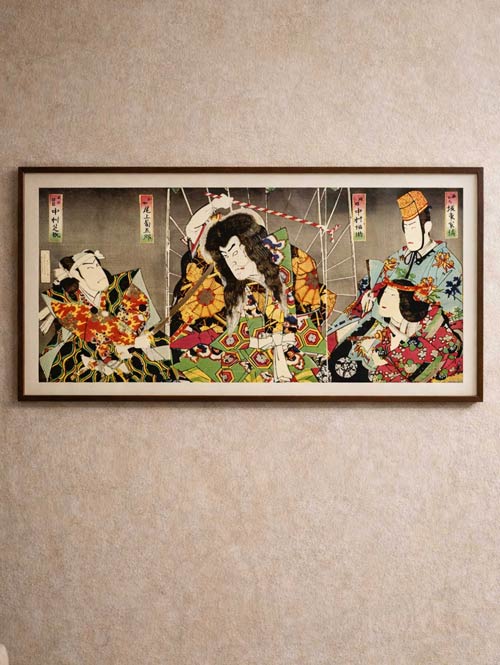
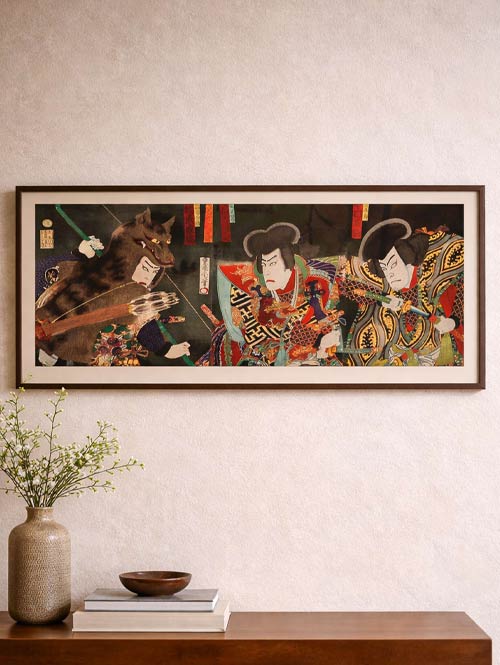
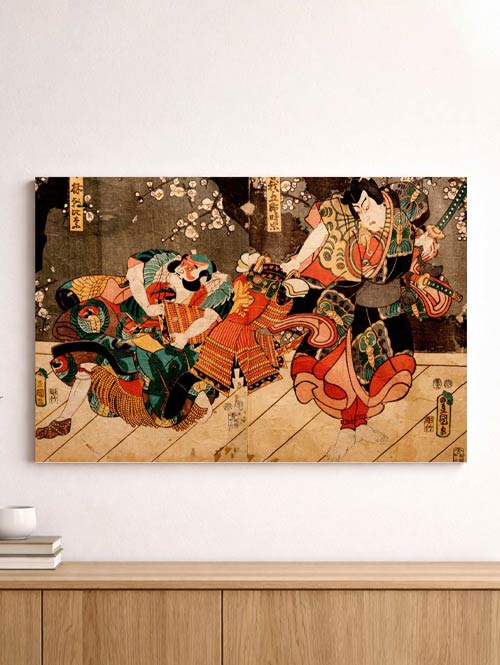
Japanese Woodblock Art for Home
Bringing traditional art into modern interiors
You might be thinking, such prints require a particular interior. However, it is not. If you have a minimalist space, a single print gives the eye a calm place to rest. But if you have a modern interior, its flat color complements your plain walls. It also suits traditional interiors. The most important part of the print is color and framing. If there is indigo color in the print, add an indigo vase or cushion. View our original prints to find traditional Japanese art for your wall.
Find Traditional Japanese Art at Cottage9
Collecting traditional Japanese art does not need a specific space to keep it. Start by choosing a print to your taste. We have something for every taste. We offer antique prints on rice paper, with works by artists such as Kunisada, Kuniyoshi, and Kunichika. If you are searching for Japanese woodblock art for home, view our artwork. We ship worldwide, so don't worry about delivery.
Final Thoughts
Japanese woodblock prints bring craft, history, and color to a wall. Before choosing any print, look for what you enjoy looking at. When you are ready with your choice, visit Cottage9 and compare the antique prints before buying. A single piece from our collection will add a beautiful charm to the whole room.
Frequently Asked Questions
What is woodblock printing in Japan?
In woodblock printing, designs are carved into wooden blocks. They are inked and pressed onto paper by hand, often one block per color.
What is the difference between ukiyo-e and other woodblock prints?
Woodblock printing is a technique. Ukiyo-e art is a style and subject tradition from the Edo period.
Are Japanese woodblock prints valuable collectibles?
The value of a print depends on the artist, condition, rarity, and demand. Those who have an interest in collecting unique pieces should choose the Japanese art they enjoy.
How can I identify an original print?
Look for handmade paper, visible block marks, even layers of color, and a signature. If you find photographic or glossy paper, then it may be a reproduction.
How do I display Japanese woodblock art for home use?
You can display it in any room. It can be in your living room. Hang it at eye level with an acid-free mat and UV-protective glass.