
Dev Uthani Ekadashi is the day devotees believe Lord Vishnu wakes from four months of Yoga Nidra, his divine sleep. It closes Chaturmas, the four months of restraint and prayer. This day also connects with Tulsi Vivah, the symbolic wedding of Tulsi and Vishnu. Many Hindu families believe that it is the point when weddings and other auspicious ceremonies or functions can begin again. In this blog, we will discuss the story behind Lord Vishnu awakening and Devutthana Ekadashi.
What Is Dev Uthani Ekadashi and Why Is It Celebrated?
What Is Dev Uthani Ekadashi and Why Is It Celebrated?
The name breaks down as “Dev” means god, and “Uthani” means rising. Ekadashi comes from the Sanskrit word for eleven, and it marks the eleventh lunar day, which falls twice in every month. People also call this festival Devutthana Ekadashi and Prabodhini Ekadashi. Here, the word Prabhodhini means awakening. Dev Uthani Ekadashi comes on the eleventh day of the moon’s waxing phase in Kartik, which is why it is also called Kartik Shukla Ekadashi. According to traditional belief, Lord Vishnu has been resting since Devshayani Ekadashi, and this is the day he wakes. To celebrate this day, many devotees observe a fast and worship Lord Vishnu idol.
The Story of Lord Vishnu’s Awakening
The Story of Lord Vishnu’s Awakening
Why Does Lord Vishnu Go Into Yoga Nidra?
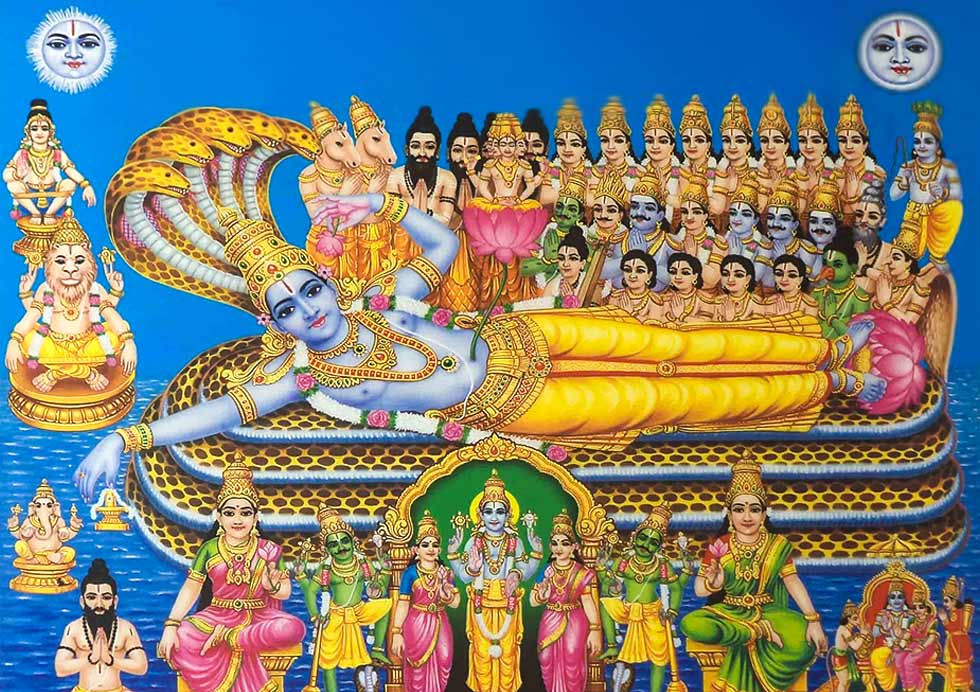
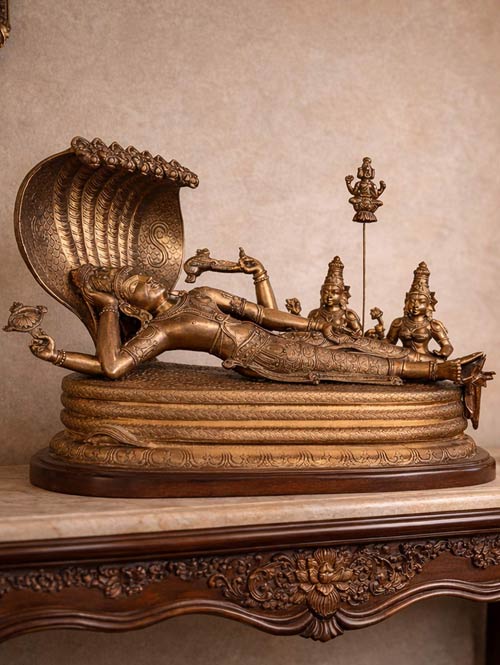
Traditional accounts say Lord Vishnu enters Yoga Nidra on Devshayani Ekadashi. This is not ordinary sleep. This sleep was deep and a conscious rest. In many Lord Vishnu images, you can see him reclining on Sheshnag, the divine serpent, in the cosmic ocean known as Kshira Sagar. The four months of his sleeping are known as the Chaturmas period. Prayers tend to run longer on this day, and homes and temples take on a festive feel. Many people believe that wedding ceremonies are paused until Lord Vishnu goes to sleep.
How does Lord Vishnu awaken on Dev Uthani Ekadashi?
On Kartik Shukla Ekadashi, devotees believe Lord Vishnu rises from Yoga Nidra. Many people treat this day as a time to remove laziness and distraction and focus on a more spiritual life. Many homes and temples welcome Lord Vishnu as a guest. In temples, people ring bells, blow conch shells, light lamps, and sing devotional songs to wake Lord Vishnu with love. Because the preserver is awake again, the day marks the return of auspicious activities.
| Occasion | Traditional Significance |
|---|---|
| Devshayani Ekadashi | Lord Vishnu enters Yoga Nidra |
| Chaturmas | Period of divine rest and spiritual observance |
| Dev Uthani Ekadashi | People believe that Lord Vishnu awakens |
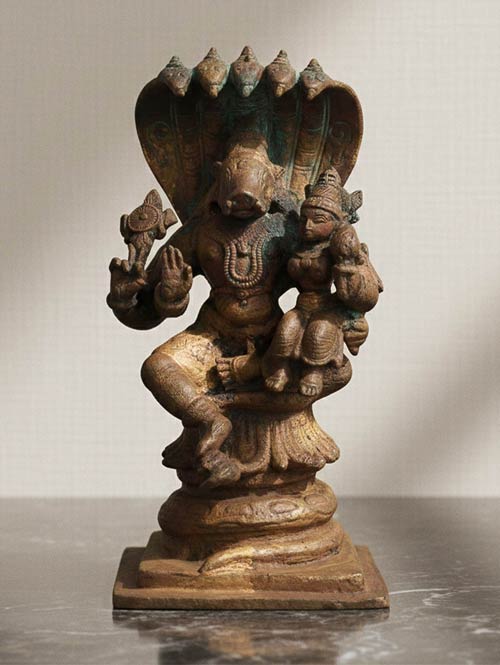
Religious Significance of Dev Uthani Ekadashi
Religious Significance of Dev Uthani Ekadashi
The day holds great significance at both the religious and personal levels. Here is what devotees traditionally associate with it.
End of Chaturmas
The four-month period of restraint formally comes to a close.
Return of Auspicious Ceremonies
Weddings and other important ceremonies traditionally begin again.
Fasting and Worship
Many devotees fast and pray to Lord Vishnu as an act of devotion.
A Fresh Start
The awakening of Lord Vishnu is seen as an opportunity for renewal.
Connection Between Dev Uthani Ekadashi and Tulsi Vivah?
Connection Between Dev Uthani Ekadashi and Tulsi Vivah?
Why is Tulsi Vivah celebrated?
In Tulsi Vivah, people ceremonially wed the sacred Tulsi plant to Lord Vishnu. Devotees represent Lord Vishnu as Shaligram, a sacred stone. They hold the ceremony on Devutthana Ekadashi or in the days after it, depending on regional and family custom.
Several accounts explain its origin. There is a story of Vrinda and Jalandhara. Vrinda was the devoted wife of the demon king Jalandhara. He was deceived when Vishnu took her husband’s form. Hurt by the deception, Vrinda pronounced a curse on Vishnu, condemning him to take the form of a stone. The meaning of Vrinda is Tulsi. Other versions differ in their details. We recommend following the account your own tradition tells.
How are Tulsi and Shaligram worshipped together?
People dress the Tulsi plant as a bride. People use red clothes and bangles for decorating. The devotees place the idol of Shaligram, Vishnu, or Krishna along with Tulsi as the groom. For Shaligram worship, people tie both together with the help of thread. People offer them flowers. Tulsi leaves are used in Lord Vishnu worship. It is a central part.
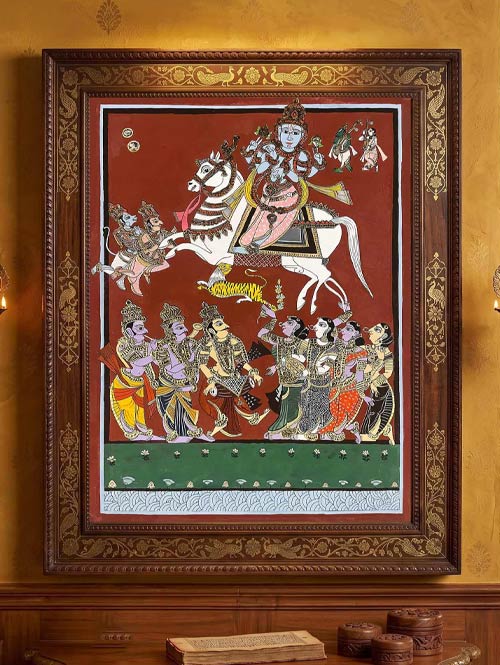
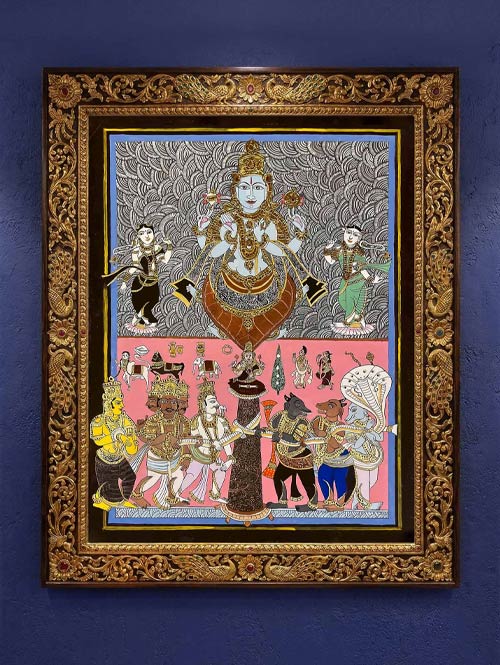
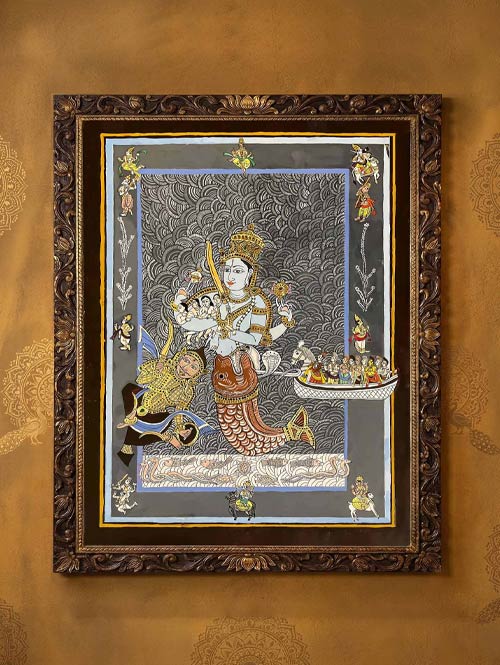
Traditional Rituals Observed on Devutthana Ekadashi
Traditional Rituals Observed on Devutthana Ekadashi
Practices differ across regions, but these are the most common.
Ekadashi Vrat
Many devotees fast for the day and eat simple food. Some keep a lighter fast, depending on their community.
Lord Vishnu Puja
Many families bring a Lord Vishnu idol online for their altar, and some buy puja items online before the festival.
Dev Jagran
People use bells, conch shells, and bhajans to awaken Lord Vishnu.
Tulsi Worship
People water, decorate, and pray to the plant. It often becomes the centre of the Tulsi Vivah ceremony.
Charity
Many people donate food, clothes, or money, or join community prayers and katha readings.
Why Is Shaligram Important in Lord Vishnu Worship?
Why Is Shaligram Important in Lord Vishnu Worship?
Shaligram is a smooth, dark stone traditionally linked with the Gandaki River. Vaishnava devotees regard it as a natural form of Lord Vishnu rather than a made image. Many traditions worship it without a formal consecration ceremony. Its link with Tulsi comes from the story of Vrinda. This is why Shaligram worship usually includes fresh Tulsi leaves, and why the two appear together at Tulsi Vivah.
Final Thoughts
Dev Uthani Ekadashi brings together three threads. These are Vishnu’s awakening, the end of Chaturmas, and the marriage of Tulsi and Shaligram. Beneath the rituals, the message is simple. Wake up, begin again, and return to what matters. Bring the blessings of Lord Vishnu to your home by bringing a Lord Vishnu idol online from Cottage9. Light a lamp and sing a song that generations have sung.
Frequently Asked Questions
Why is Dev Uthani Ekadashi also called Prabodhini Ekadashi?
“Prabodhini” means awakening in Sanskrit. The name refers to the day on which Lord Vishnu was awakened.
When does Lord Vishnu go to sleep?
Traditional accounts say he enters Yoga Nidra on Devshayani Ekadashi, which falls in the month of Ashadha.
What is the connection between Dev Uthani Ekadashi and Chaturmas?
Chaturmas is the four months period between Devshayani and Dev Uthani Ekadashi. This festival marks its end and Vishnu’s awakening.
Why did Tulsi marry Shaligram?
As Vrinda’s story is usually told, the gods unite Tulsi and Vishnu in his Shaligram form each year. Details vary between accounts.
Can we celebrate Dev Uthani Ekadashi without fasting?
Yes. Many families observe the day through prayer, buy simple puja items online before the festival, or do charity. Follow your own family’s custom.
Why are weddings considered auspicious after Dev Uthani Eladashi?
Tradition pauses major ceremonies during Chaturmas. Once Vishnu awakens, people believe weddings are blessed again.