
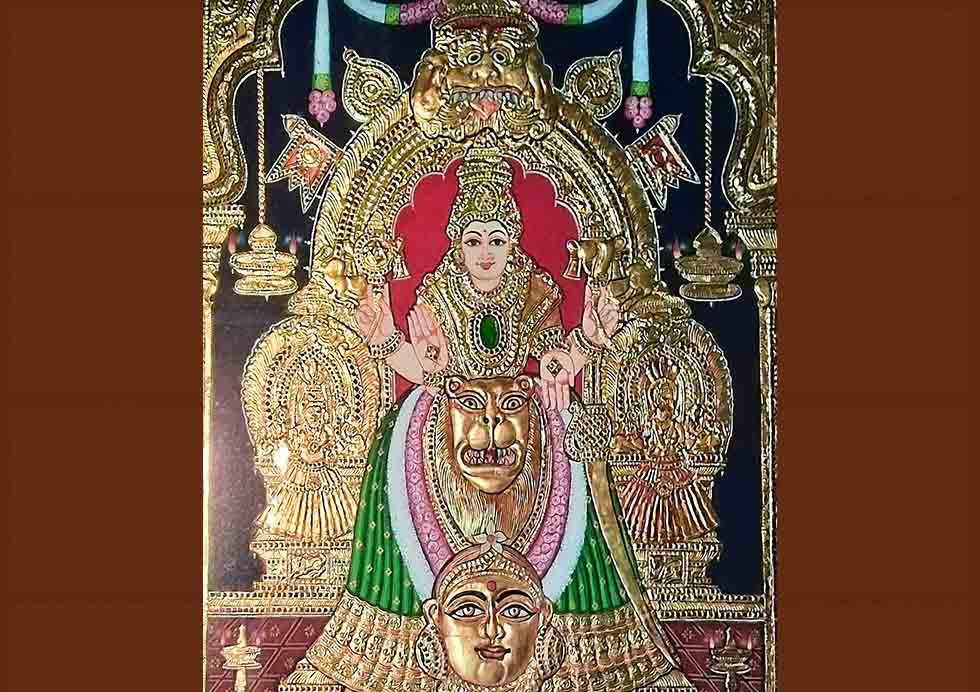
Ask anyone from coastal Karnataka about Kollur, and they will mention the temple before anything else. Kollur Mookambika Temple sits quietly beside the Souparnika River, tucked into the Western Ghats. Pilgrims from across Karnataka and beyond make their way here throughout the year. There is something about Kollur Mookambika Temple history that keeps drawing people back, year after year. Part of it is the legend. Part of it is the setting, with hills on one side and the river on the other. In this blog, we will walk through where the temple comes from and what the Goddess Mookambika actually says. We will also look at the rituals families still follow today, and the festivals that fill the town with crowds.
Kollur Mookambika Temple History at a Glance
Kollur Mookambika Temple History at a Glance
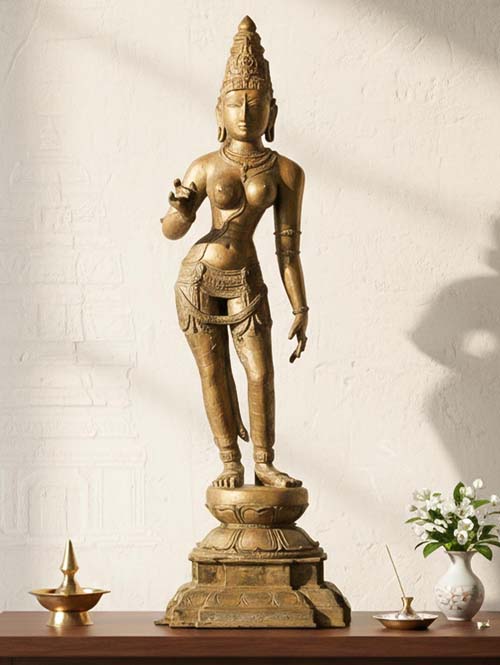
Kollur Mookambika Temple history goes back many centuries. It is closely tied to the worship of Shakti, the divine feminine energy. The temple honours a goddess who is said to carry the qualities of Parvati, Saraswati, and Lakshmi together. Local tradition connects the temple's founding with Adi Shankaracharya, who lived around the eighth century. Over time, local rulers and the Keladi dynasty supported the temple. Their patronage helped it grow into the major shrine it is today. This famous temple is one of the Jyotirlingas. It represents the union of Shiva and Shakti. A Shiva Parvati idol carries that same togetherness into your home. Place it in a spot you see often, so its peaceful presence becomes part of your daily surroundings.
Where Is Kollur Mookambika Temple Located?
Where Is Kollur Mookambika Temple Located?
Kollur Mookambika Temple is one of the famous temples in Karnataka and sits in the small town of Kollur. The temple is in Udupi district, Karnataka. The temple rests at the foothills of Kodachadri hill in the Western Ghats. The temple is situated along the banks of the Souparnika River. Devotees consider this river sacred. Many bathe in it before entering the temple for darshan. The location of the temple includes forest, hills, and a flowing river. This creates a calm setting. This landscape shapes the temple's identity as much as its religious history does.
The Sacred Origins of Mookambika Devi
The Sacred Origins of Mookambika Devi
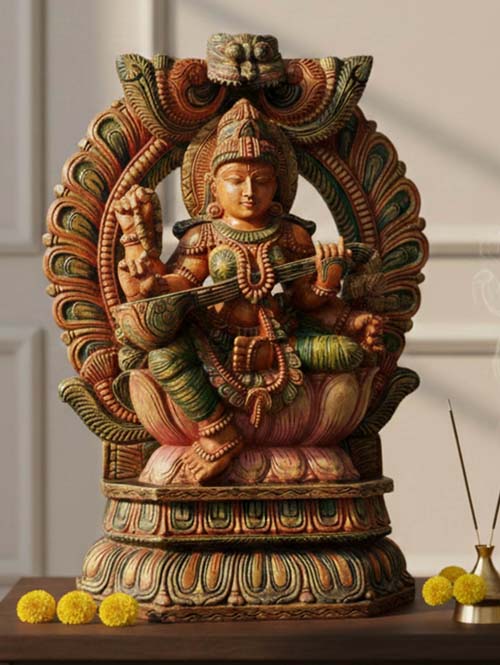
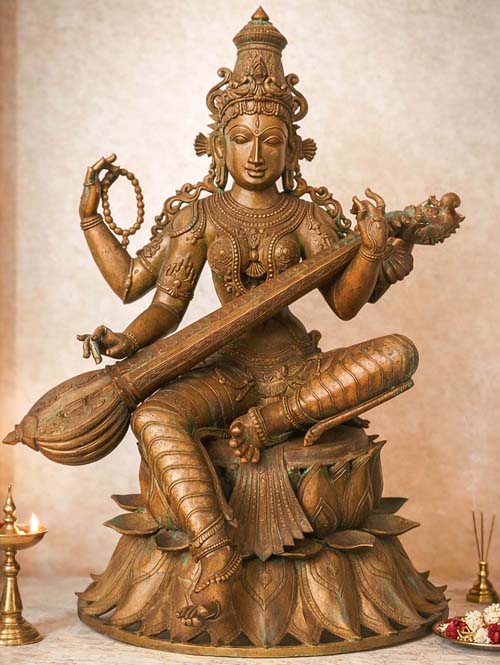
Hindu tradition describes Goddess Mookambika as a combined form of Parvati, Saraswati, and Lakshmi. To her devotees, she is Adi Shakti herself, the root of all divine power. Temple legend describes her as the goddess of speech, learning, and the arts. This is why parents bring young children here for their first writing lesson, called Vidyarambham. A Goddess Saraswati wood carving in the study corner carries that same blessing, a small nudge toward focus and learning. It helps to separate belief from confirmed history here. Goddess Mookambika's origin belongs to temple legend, not documented historical record.
Mookambika Devi Story & the Legend of the Temple
Mookambika Devi Story & the Legend of the Temple
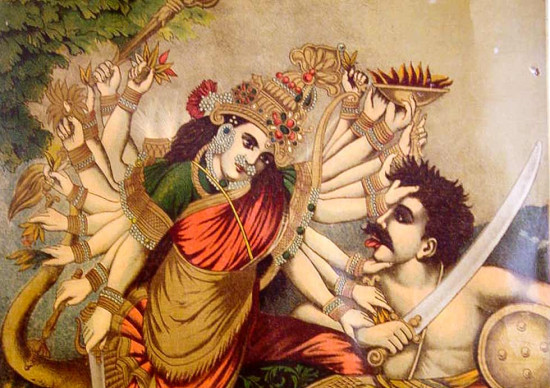
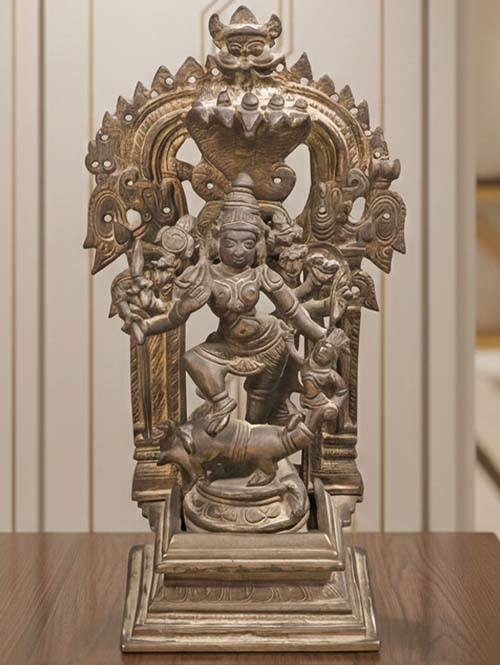
The Mookambika Devi story centres on a demon named Mookasura. Some versions call him Kaumasura. According to temple legend, he performed intense penance to gain great power. Hindu belief says the goddess took away his power of speech. This stopped him from misusing a boon he had received. That is how he came to be called Mookasura, meaning the mute demon. When he kept causing harm even without speech, the goddess took a powerful form. She is said to have defeated him in battle. After this, tradition holds that she became known as Mookambika.
Adi Shankaracharya & Kollur Mookambika Temple
Adi Shankaracharya & Kollur Mookambika Temple
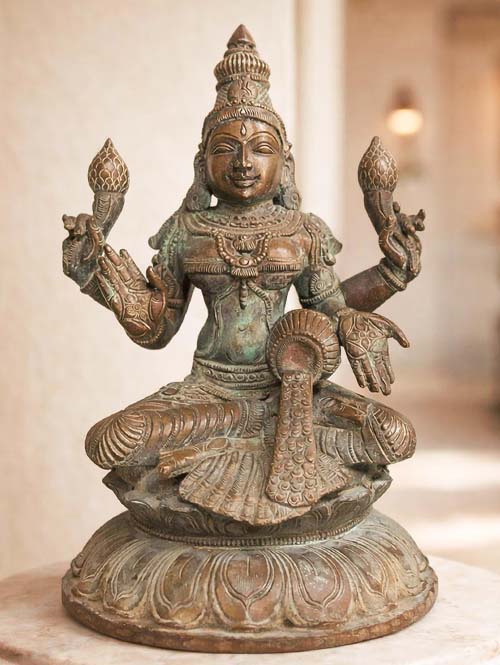
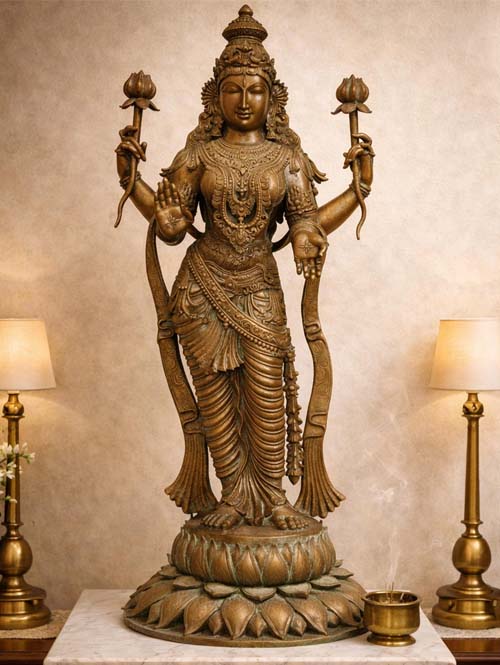
Temple tradition gives Adi Shankaracharya an important role in this history. He is widely known as the philosopher who spread Advaita Vedanta across India. According to legend, he meditated in the Kodachadri hills above Kollur. There, he is said to have had a vision of the goddess. Various versions describe him installing the goddess idol at Kollur. No confirmed records describe the exact circumstances of these events. Invite home the blessing of Devi Mookambika by bringing a Lakshmi bronze statue to your space. Place it in your prayer corner and let it become part of your everyday routine.
Significance of Mookambika Devi Temple
Significance of Mookambika Devi Temple
The Mookambika Devi temple holds deep religious meaning across South India. This temple holds a special significance among famous temples in Karnataka. It is considered one of the Sapta Mukti Sthala. Tradition links these seven temples to the sage Parashurama. People visit seeking blessings for education, creativity, and general well-being. The goddess is closely linked with learning and knowledge. Many students visit before starting new academic or creative pursuits. The temple also connects devotees to a larger tradition of Devi worship. This tradition spans across both Karnataka and Kerala.
Architecture & Sacred Features of the Temple
The temple features a mix of Kerala and Dravidian architectural styles. This shows in its sloped copper roofs and detailed woodwork. The mix reflects Kollur's location near both cultural regions.
The Jyotirlinga in the Main Sanctum
At the centre of the sanctum sits a swayambhu, or self-manifested, jyotirlinga. Tradition holds that this lingam represents the joint presence of Shiva and Shakti. A line runs through it, said to mark this union.
Surrounding Shrines & Woodwork
Several smaller shrines around the main sanctum are dedicated to other deities. Walk around the temple, and you will notice carved pillars, rows of oil lamps, and a tall deepasthambham standing near the entrance, each adding its own character to the surroundings
Traditions & Rituals at Kollur Mookambika Temple
Mookambika Devi Temple follows a daily ritual. The priest of the temple performs aarti in the morning and the evening. One well-known ritual is Vidyarambham. Young children are guided to write their first letters in rice or sand. This ritual signifies the beginning of formal learning. The temple also observes Nirmalya Darshana. This is an early morning viewing of the deity before daily rituals begin. Many devotees consider this moment especially significant.
If you have searched for Hanuman Garhi Ayodhya images before your trip, here is roughly what you will come across.
Festivals Celebrated at Mookambika Devi Temple
Navaratri
Navaratri is the most significant festival at Kollur Mookambika Temple. It is held over nine nights and celebrates the goddess in different forms. Large numbers of devotees arrive during the final days.
Rathotsava
Rathotsava, the temple's chariot festival, is another important occasion. The deity is taken out in a public procession during this event. Festival days bring special decorations, music, and extended rituals.
These are not just old customs written down somewhere. People still show up for them every single year. Ancient traditions continue to be practised today, not just remembered.
Bringing Sacred Indian Heritage Into Your Home with Cottage9
Bringing Sacred Indian Heritage Into Your Home with Cottage9
Stand near the pillars at Mookambika Devi Temple and run your hand over the carvings. You start wondering how long it took someone to get those lines just right. That is the kind of thought this place tends to leave you with. Skill like that was never meant to stay behind temple walls. At Cottage9, we work with artisans who carry forward that same tradition. Our collection includes handcrafted decor, traditional paintings, and spiritual pieces drawn from Indian art. A brass idol on a shelf or a piece of wall art in your living room can hold a bit of that same craftsmanship. None of this replaces a temple visit or the experience of standing before the goddess yourself. Take a look at our collection and see if something speaks to you. They simply help people stay connected with Indian craftsmanship in daily life.
Final Thoughts
Kollur Mookambika Temple history combines documented tradition and living practice. From Adi Shankaracharya's connection to the shrine shapes how devotees see this temple. The daily worship of Goddess Mookambika continues much as it always has. Festivals still fill the town every year. All of it adds up to a temple that has never really stopped growing. Maybe you are planning a trip to Kollur. Maybe you just wanted to know the story behind the name. Either way, a bit of that heritage stays with you once you have read it, and that is exactly what Cottage9 hopes to bring into your home. Take a look at our collection of handcrafted decor and spiritual art. You may find a piece that brings a little of that same heritage into your own home.
Frequently Asked Questions
Who is Goddess Mookambika?
Goddess Mookambika is worshipped as a combined form of Parvati, Saraswati, and Lakshmi. She represents strength, wisdom, and prosperity in Hindu tradition.
Why is the goddess linked to speech and learning?
Temple legend ties this to her defeat of Mookasura, the demon whose speech she took away. Over time, she came to be seen as a protector of language and knowledge.
Is Kollur Mookambika Temple connected to other Shakti temples?
Yes, tradition considers it one of the Sapta Mukti Sthalas, a group of seven temples in the region associated with Sage Parashuram.
What role does the Souparnika river play in temple tradition?
Devotees consider the river to be sacred, and many like to take a dip in its waters before entering the temple for darshan.
Why do families visit Mookambika Devi temple for Vidyarambham?
Families choose Mookambika Devi temple for Vidyarambham because she is considered the goddess of learning and the arts. Parents prefer this place for their child’s first formal writing lesson.