
Every year, one question starts doing the rounds in every Malayali home that is when is Onam festival this time? The excitement in people builds slowly. They plan to buy flowers and new clothes early for this day. Children ask their grandmother to double-check the date. That is Onam. It is not just a festival. It is a feeling that grows over ten full days. Onam Festival 2026 is almost here, and in this blog, we will walk through its history, why it is celebrated, its rituals, its food, and how you can bring a bit of that Kerala magic into your own home.
What Is Onam Festival?
What Is Onam Festival?
Onam festival is Kerala’s biggest celebration of the year. It falls in the Malayalam month of Chingam, somewhere around August or September. For Kerala, this is harvest time, and the day a beloved old king is said to come home. Grandmothers tell the same stories every year, the flowers bloom, and the food always feels a little more special than usual. For many Malayalis, it feels less like a holiday and more like a homecoming of their own.
Why Is Onam Festival Celebrated?
Why Is Onam Festival Celebrated?
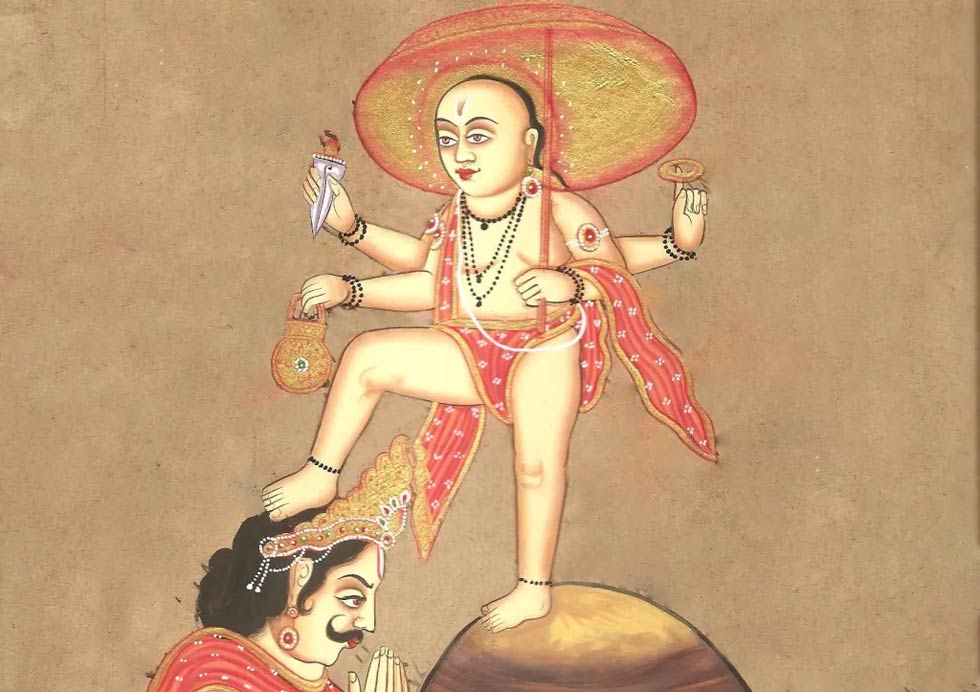
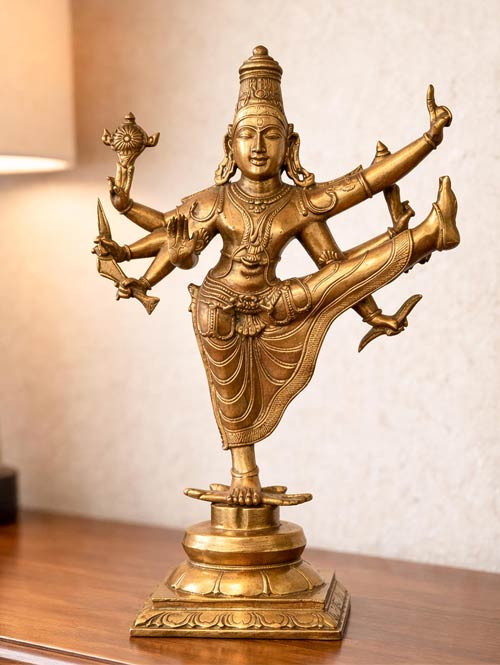
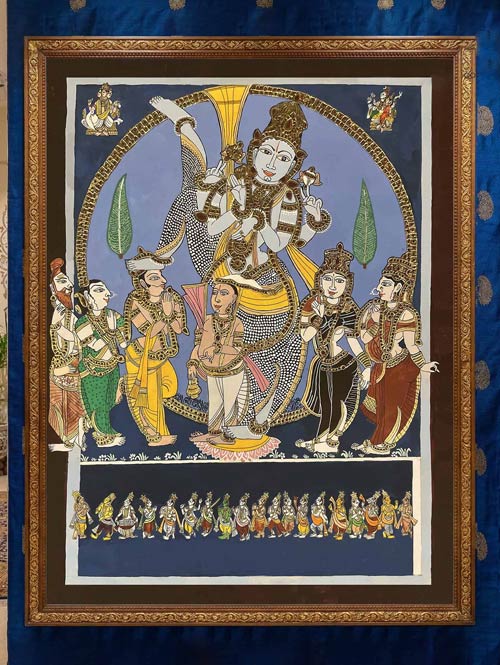
Onam Festival history goes back to a legend of Kerala. King Mahabali was an asura king. He was the grandson of Prahlada, who was saved by the injustice of Hiranayakashipu by Lord Vishnu in his Narasimha avatar. He acquired all three worlds. This made the gods nervous, though. Lord Vishnu took an avatar of a tiny Brahmin boy named Vamana. Vamana asked Mahabali for land measured in three steps. Mahabali agreed at once. Then Vamana grew and grew, until one step covered the sky and the next covered the whole earth. For the third step, King Mahabali offered his own head to Vamana. Touched by his humility, Lord Vishnu granted him one wish. He could visit his people once every year. Onam celebrates that yearly return.
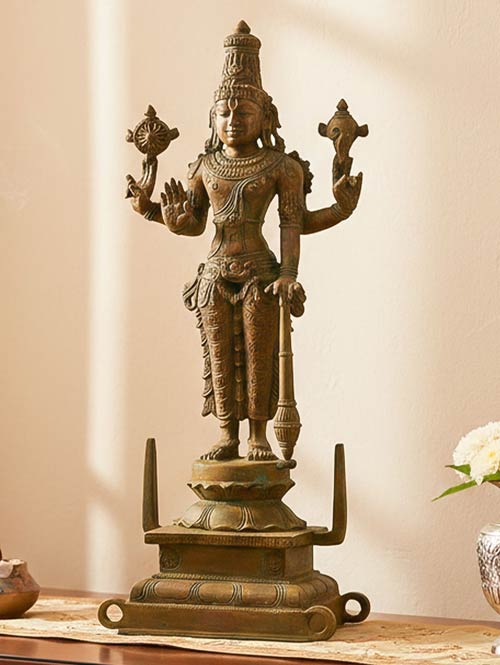
Onam festival is celebrated to welcome King Mahabali back to Kerala. People believe he visits every home during this time to see if his people are happy. So homes get clean and decorated, just in case he actually shows up. People bring a Vamana avatar painting home to invite the blessing of Lord Vishnu. Honestly, for a lot of families, that is the real reason Onam matters. It is the one time of year everyone actually makes it back home, to the same old house they grew up in.
When Is Onam Festival 2026?
When Is Onam Festival 2026?
Onam Festival 2026 begins with Atham around August 16 and continues for ten days. The main day of Onam, which is Thiruvonam, falls on August 26, 2026. On this day, the whole family gets together, the kitchen gets crowded, and King Mahabali is welcomed home. But the days before it matter too. Every morning, the pookalam, a flower design laid at the door, grows a little bigger with fresh petals.
The 10 Days of Onam Festival 2026
The 10 Days of Onam Festival 2026
Onam is not just one day festival. It is a ten-day countdown, and each day has its own name and meaning:
Atham
The festival begins. The first small pookalam appears at the doorstep.
Chithira
Homes start their cleaning, a small step before the big celebration.
Chodhi
This is when the shopping really gets going: new clothes, festival supplies, the whole list.
Vishakam
Markets get busier, and the pookalam grows bigger.
Anizham
Boat race practices often begin around this day in many villages.
Thriketta
The pookalam design grows more detailed and colorful.
Moolam
This is when the kitchen really starts smelling like Onam, everyone prepping for the big feast still to come.
Pooradam
Small clay figures of Mahabali and Vamana are placed near the pookalam.
Uthradam
Known as “Onam Eve,” this is the biggest shopping and cooking day.
Thiruvonam
Families gather for the Onasadya, the big feast served on a banana leaf, and welcome King Mahabali home.
That is really the thing about Onam, it does not just happen on one day. It builds, slowly, until by Thiruvonam the whole house is buzzing.
Which God Is Worshipped During Onam Festival?
Which God Is Worshipped During Onam Festival?
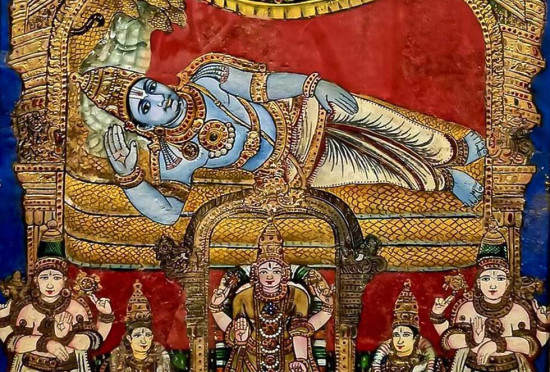
Onam mainly honors two figures: King Mahabali and Lord Vishnu, in his Vamana avatar. Many Kerala homes place a small conical figure made of either clay or wood called Onathappan near the pookalam. It represents Vamana, and some also see it as a form of Lord Shiva blessing the devotees. Families worship this figure every morning during the ten days, offering flowers and a small prayer.
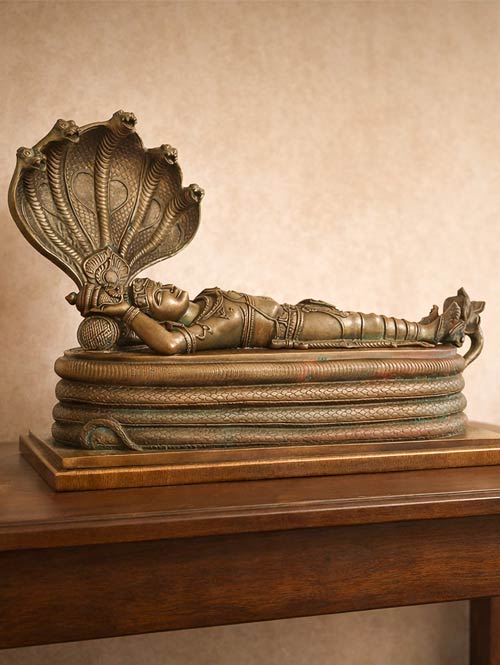
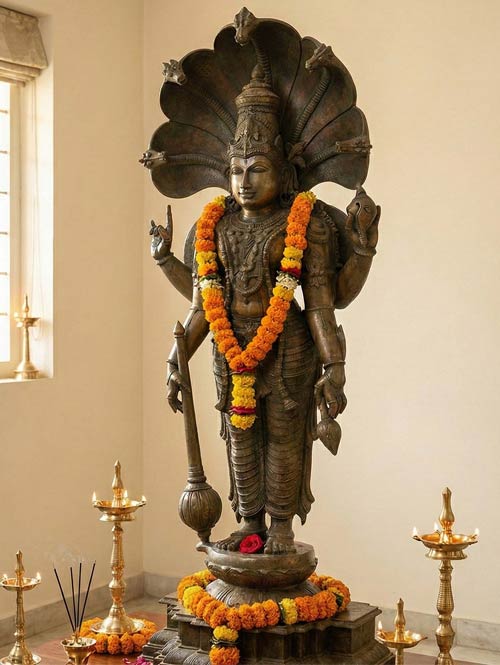
Bringing home an idol of Lord Vishnu during this time is a common tradition. It can be placed at the entrance or near the pookalam, right beside the Onathappan, as a mark of respect for the festival’s story. A well-made bronze Vishnu idol can become a part of this tradition every year, not just for Onam, but for daily prayer through the year too.
Which God Is Worshipped During Onam Festival?
Every day of Onam has its own small ritual, but a few stand out:
Pookalam
A flower carpet placed at the front door, growing bigger and more colorful each day.
Onasadya
A grand feast is served on a banana leaf, usually on Thiruvonam itself.
Vallamkali
Snake boat races held on Kerala’s backwaters, cheered on by huge crowds.
Pulikali
People paint their bodies like tigers. They celebrate and dance through the streets.
Thiruvonam Puja
A small prayer offered to Vishnu and King Mahabali on the main day.
These rituals are simple on their own. Together, they turn ten days into one long, joyful story.
What Food Is Made During Onam Festival?
What Food Is Made During Onam Festival?
The festival of Onam is not completed with the feast Onasadya. It is a full vegetarian feast, served on a fresh banana leaf. A typical Onasadya includes sambar, aviyal, olan, thoran, pickles, papadam, and several kinds of payasam. There is even a set order for where each dish goes on the leaf. The food itself is heavy and rich, but honestly, it is the sitting together that people actually remember.
How Do People Send Onam Festival Greetings?
Sharing Onam festival greetings is part of the celebration too. A simple “Happy Onam” or “Onam Ashamsakal” works well for friends and colleagues. For families, people often add a small wish for good health and a good harvest year ahead. Many also send Onam festival images along with their greetings, showing a pookalam, a boat race, or a table set for Onasadya.
How to Bring Onam Home?
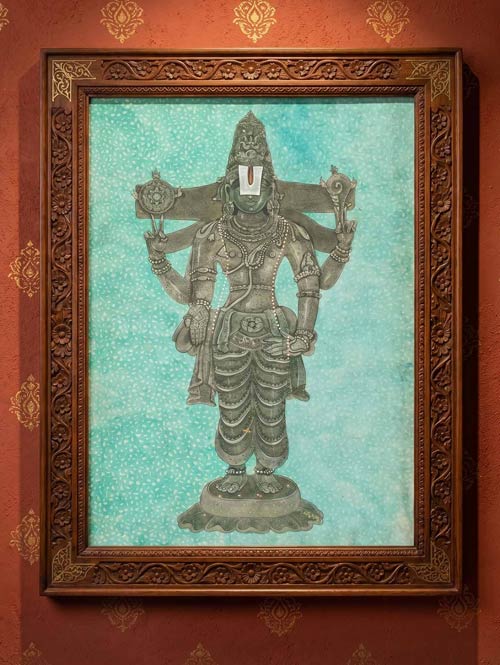
You do not need to be in Kerala to feel the spirit of the Onam festival in Kerala. A small pookalam at your doorstep, a home-cooked sadya, and the right decor can do a lot. A lord Vamana statue placed near your entrance is a lovely way to honor the story behind the festival. Traditional wall art or a small Kerala mural painting can also bring warmth to your festive setup, long after the ten days are over.
Final Thoughts
Onam is more than a date on the calendar. It is a story about staying humble, being grateful, and coming home. Kerala tells that story again every single year through flowers, food, and family. It does not matter if you are actually there or celebrating from thousands of miles away; it feels the same. This Onam Festival 2026, take a little time to slow down, cook something special, and welcome the season the way generations before us always have. At Cottage9, we believe festivals feel best with a little tradition around them, from a handcrafted idol at your entrance to the little details that make a house feel ready for guests and divine.
Frequently Asked Questions
What Is Onam Festival?
Onam festival is Kerala’s biggest celebration of the year. Onam festival in Kerala marks the harvest season and the homecoming of a much-loved King Mahabali.
Is Onam a harvest festival?
Yes. Chingam is basically when the rains finally ease up, and Kerala’s farmers get back to work. Onam gives thanks for a good harvest, which is why food and fresh produce play such a big role.
Onam festival is celebrated in which state?
The festival of Onam is celebrated mainly in Kerala, by the Malayali community. It is Kerala’s official state festival and a public holiday there, though Malayalis everywhere celebrate it with the same warmth.
Why do we celebrate Onam festival?
We celebrate Onam to welcome King Mahabali home. The story goes that he actually visits every home during these days, just checking in on his people, so everyone cleans and decorates their home like he is really coming.
When is Onam festival in 2026?
Onam Festival 2026 starts with Atham on August 16, and the big day, Thiruvonam, lands ten days later on August 26.