
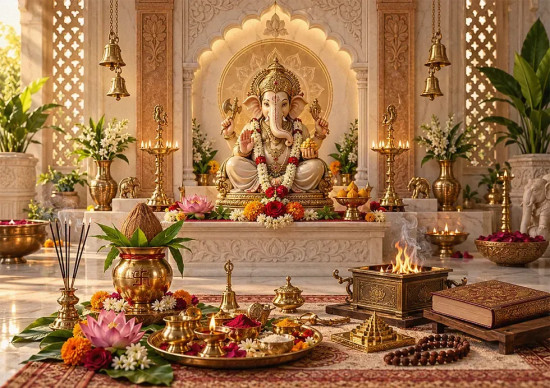
Maha Navami falls on the ninth day of Navratri, and it is the day Goddess Durga’s fight with Mahishasura reaches its turning point. It comes just before Vijayadashmi. This blog on Maha Navami 2026 explains what the day means, the story behind it, the nine forms of Durga, the main rituals, and how celebrations differ from Bengal to the South. It also looks at why a Maa Durga statue sits at the centre of so much devotional worship, in grand pandals and small home shrines alike.
What is Maha Navami?
What is Maha Navami?
Maha Navami is the ninth day of Navaratri, devoted to Goddess Durga. The name means “the great ninth,” and it is one of the festival's most important days. In the Navami Durga Puja tradition of eastern India, it marks the final stage of her fight with the buffalo demon Mahishasura. If you are asking “What is Maha Navami” in simple terms, think of it as the day the battle reaches its end. Vijayadashmi, also called Dussehra, comes next. This is the day of victory and, in many places of farewell to the Goddess. Navami is the final day of worship before that moment.
Maha Navami 2026 Date
Maha Navami 2026 Date
The Hindu lunar calendar puts Maha Navami on Monday, 19 October 2026, with Vijayadashmi coming a day later on Tuesday, 20 October. Regional calendars sometimes count the days differently, so a few communities may observe Navami a day earlier or later. If you follow a regional panchang, check it for your area, since the date can shift by a day.
The Story of Maha Navami and Goddess Durga
The Story of Maha Navami and Goddess Durga
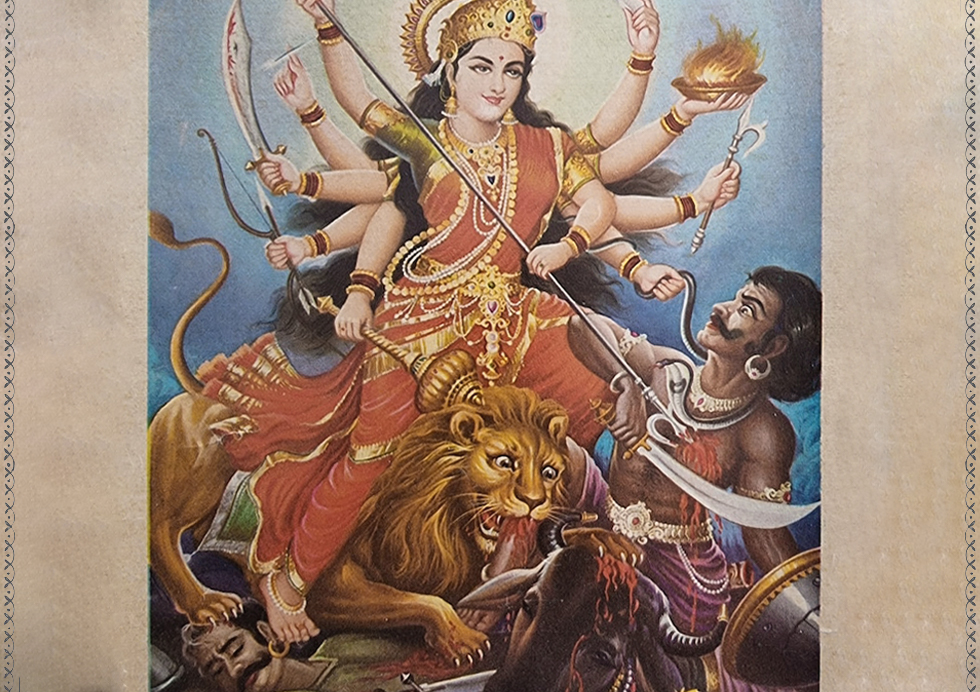
Mahishasura was an asura, a powerful being who stood against the gods. Through long penance, he won a boon. No man could kill him. He took that to mean he was unbeatable, since he never imagined a woman could threaten him. With that confidence, he attacked the heavens and drove the gods out.
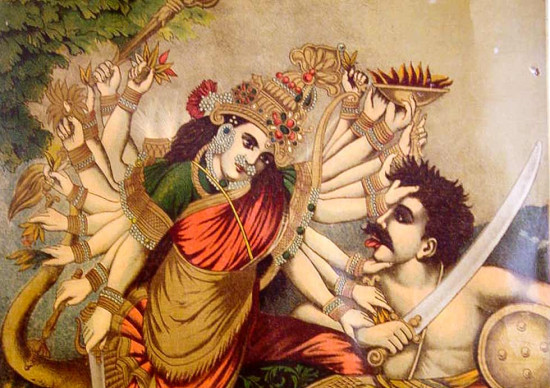
The gods could not stop him, even together. They turned to Vishnu and Shiva, and their anger, joined with the energy of every god, gathered into one blazing light. From it, Goddess Durga appeared. The gods each handed her a weapon, Shiva his trident and Vishnu his discus among them, and a lion came to carry her into battle. Mahishasura would not fight in one shape for long. He turned from buffalo to lion to man to elephant, and each time Durga faced whatever he became. Each time, Durga met the new form and kept pressing him until she overcame him.
The story lives on wherever she is shown. Idols, temple sculptures, paintings, and Durga Puja displays often place her over Mahishasura. That image is not decoration. It carries the message of courage, protection, and the triumph of good over evil.
The Nine Forms of Goddess Durga During Navratri
The Nine Forms of Goddess Durga During Navratri
Navdurga means the nine forms of Goddess Durga, and each night of Navratri belongs to one of them. This is often confused with Durga worship in general. Navdurga is a specific sequence of nine names, each tied to a stage or a quality devotees pray for. Durga worship more broadly honours her as one power across all the days. Although the two coincide in part, they are distinct from each other.
| Navratri Day | Goddess | Associated Significance |
|---|---|---|
| Day 1 | Shailaputri | Strength and stability |
| Day 2 | Brahmacharini | Devotion and determination |
| Day 3 | Chandraghanta | Courage and peace |
| Day 4 | Kushmanda | Energy and creation |
| Day 5 | Skandamata | Motherhood and compassion |
| Day 6 | Katyayani | Power and protection |
| Day 7 | Kalaratri | Courage and protection |
| Day 7 | Mahagauri | Purity and peace |
| Day 9 | Siddhidatri | Wisdom and spiritual fulfillment |
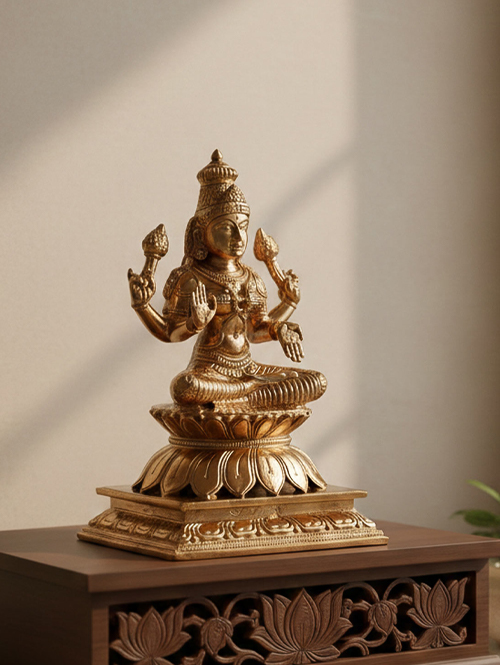
Siddhidatri, the ninth form, is the one associated with Maha Navami. Her name means giver of sidhis, or spiritual accomplishments. She is usually shown seated on a lotus, with four arms. Many devotees see the nine days as a climb, with Siddhidatri at the top. After facing fear, building discipline, and asking for protection, the ninth day is about completion. That is why Navami feels different from the earlier days.
The significance of Maha Navami
The significance of Maha Navami
Why does Maha Navami matter? Because it holds an idea many people already believe. Courage and fairness can win against cruelty. Goddess Durga is the divine feminine power behind that idea. People look to her for strength and protection, and Navami also serves as a calm day for reflection. The fighting is nearly over, so people think about what they have carried through the festival and what they want to leave behind. Some treat it as a spiritual reset before Vijayadashmi.
The symbolism does not stay in the prayers. It continues in devotional art, where the lion, the weapons, and the steady gaze of a Maa Durga statue are meant to be read, not just admired.
Maha Navami Puja and Rituals
Maha Navami Puja and Rituals
Goddess Durga Maha Navami worship varies by family, community, and region, so there is no single script. These are the practices people mention most often.
Pushpanjali and Aarti
Pushpanjali means offering flowers to the Durga Maa murti with prayers, usually with folded hands and a mantra said together. It is common at community pandals, and many families do their own version at home. Aarti follows, with lamps, bells, and conch shells. In a large pandal, the sound fills the whole space. At home, it is quieter and more personal.
Navmai Homa
In traditions that observe it, a havan or homa is performed on Navami. Ghee, grains, and herbs are offered into the sacred fire while mantras are chanted. Devotees see fire as a way of offering their own effort and as a symbol of purification. Not every household performs one.
Kanya Puja and Bhog
Girls are received with honor as living forms of the Goddess. Their feet are washed, they are served food, and given small gifts. In many North Indian homes, the meal includes halwa, puri, and chana, though the menu changes with family and region. Bhog offered to the Goddess is shared afterwards as prasad. Some families hold Kanya Puja on Ashtami instead.
Regional Maha Navami Traditions
Regional Maha Navami Traditions
Maha Navami looks quite different depending on where you are.
Maha Navami During Durga Puja in West Bengal
Navami is the third main day of Durga Puja. Large Durga Maa murti stand in community pandals, aarti draws crowds, and cultural programmes carry on alongside the prayers. Many people call this Navami Durga Puja. The idol is both the devotional centre and a showpiece of the artist's work.
Ayudha Puja in South India
In parts of South India, Maha Navami is observed as Ayudha Puja. People clean and worship tools, instruments, books, and vehicles, as thanks for the things that support their daily work.
Maha Navami Celebrations and Goddess Durga Idols
Maha Navami Celebrations and Goddess Durga Idols
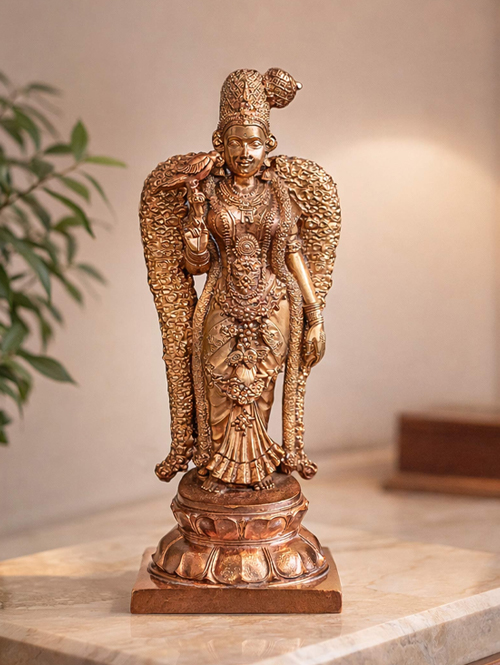
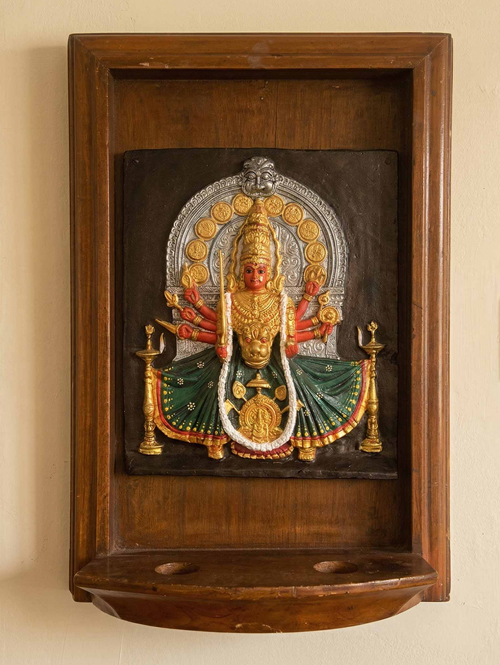
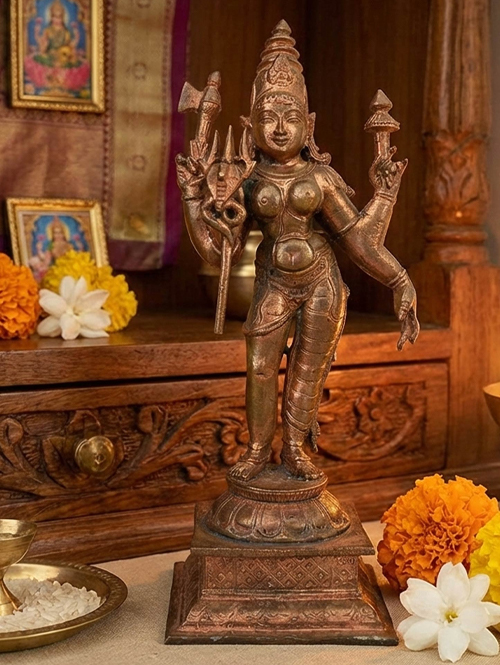
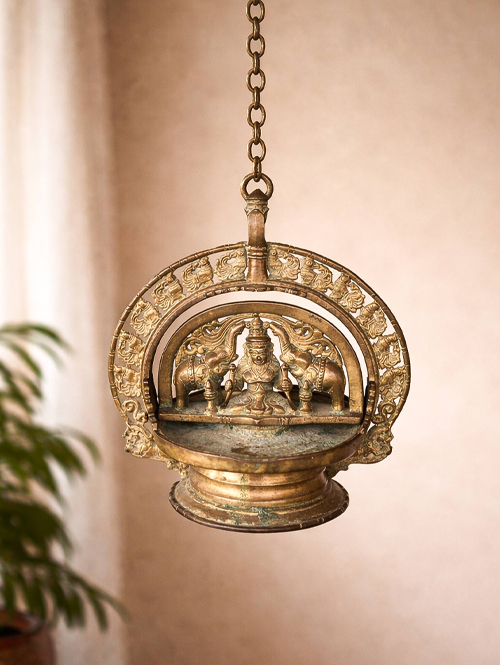
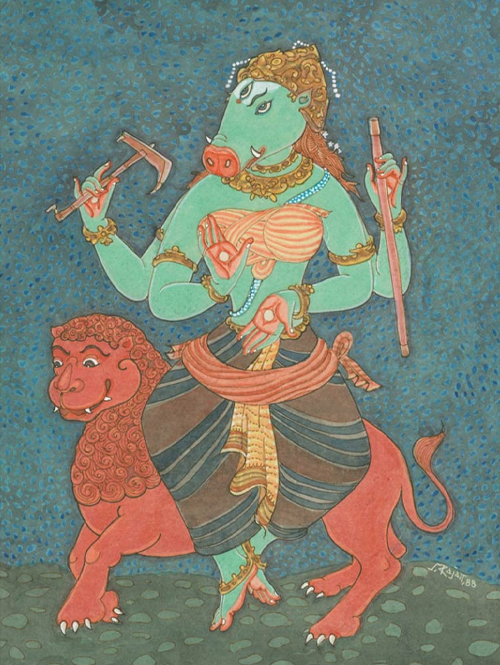
Search for Maha Navami images, and you will see how central the idol is. Goddess Durga is usually shown on her lion, with many arms holding weapons and Mahishasura at her feet. The idol is dressed in silk, garlands, and jewellery, and the decoration follows local customs. Bengal’s handmade Maa Durga idols, South Indian bronze and stone work, and carved wood or metal figures all show her differently.
Public and home idols serve different settings. A large idol at a Navami Durga Puja pandal is meant to be seen by a crowd, so scale matters. A home idol is for close, daily prayer, so it is usually smaller, calmer, and kept in one place.
Browsing Maha Navami images online is often how families decide what style suits their space. Cottage9 offers Goddess Durga idols for home and devotional art for people who want to create a dedicated devotional space at home. Pieces like these bring the story and symbolism of Durga into a prayer shelf or a quiet corner of the house.
Maha Navami Puja at Home
- Maha Navami puja at home can stay simple. Clean the worship space first, then place a Goddess Durga idol or a devotional picture on a clean cloth.
- Most people put flowers around the idol and light a diya, and that is all it needs. Offer flowers or a small bhog, say your prayers, and do aarti the way your family usually do.
- Take a few quiet minutes to think about the courage and fairness Durga stands for. A Durga idol gives the shrine a clear focus, and it can stay in place well after Navratri ends.
Final Thoughts
Maha Navami brings Goddess Durga’s story, the Navadurga tradition, and everyday devotion into one day. Its rituals, from pushpanjali to Kanya Puja, differ from home to home, and its celebration changes from Bengal’s Durga Pujas to Ayudha Puja in the South. What stays steady is the idea of courage meeting cruelty and winning. For many families, that idea finds a place in Goddess Durga idols for home from Cottage9 or a piece of devotional art, kept long after Maha Navami 2026 has passed.
Frequently Asked Questions
What is Maha Navami?
It is the ninth day of Navaratri, when Goddess Durga is worshipped at the closing stage of her battle with Mahishasura.
When is Maha Navami 2026?
Monday, 19 October 2026, according to the Hindu lunar calendar. Some regional calendars differ by a day, so confirm locally.
Which Goddess is worshipped on Maha Navami?
On Maha Navami, devotees worship Siddhidatri, the ninth form of Navadurga. At Durga Puja, however, the prayers go to Goddess Durga herself, who is shown defeating Mahishasura.
What are the main Maha Navami rituals?
Pushpanjali, aarti, homa in some traditions, Kanya Puja, and bhog. Every family does it a little differently, and so does every region.
Why is Maha Navami important in Navratri?
Navami is the last day of the nine days of Navratri. People also remember it as the day Durga was close to finishing her fight with Mahishasura. That is why a lot of families pray with extra care on this day.