

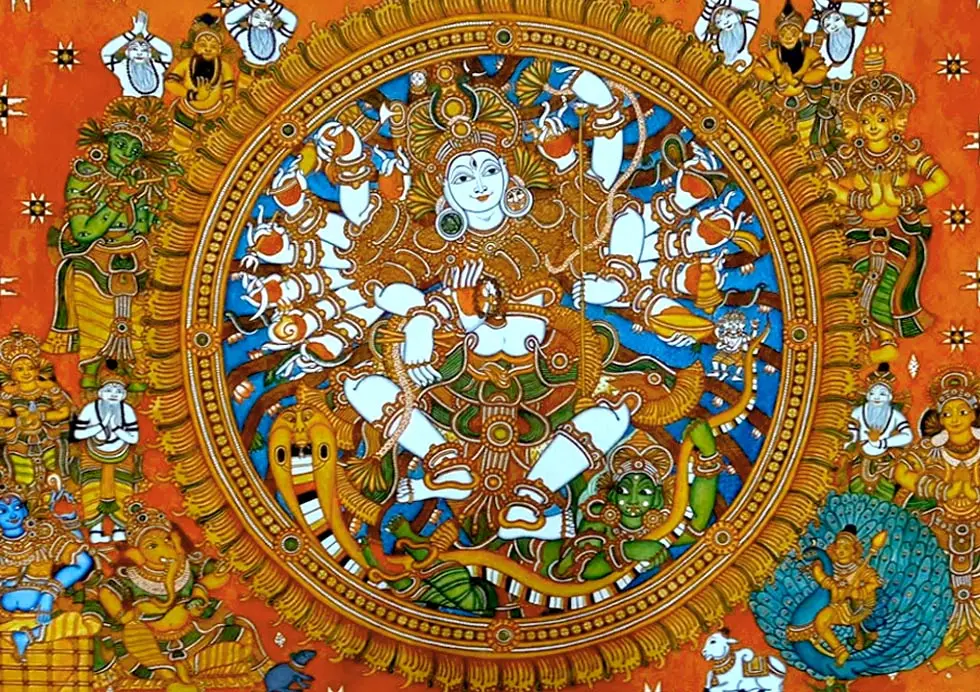
Most people know Ravana as the then-ruling king who fought Lord Rama. But he was also a scholar, a fine veena player, and a deep devotee of Lord Shiva. His devotion has given us the Shiv Tandav Stotram, a famous Sanskrit hymn about Shiva’s dance. In this blog, you will read Ravana and Lord Shiva story behind it, how Ravana is said to have composed it, the history of the Shiv Tandav Stotram, and its benefits.
The Story of Ravana’s Devotion to Lord Shiva
Ravana was the son of the sage Vishrava and ruled Lanka. He studied the scriptures closely. Many tellings say he did hard penance to please Lord Shiva, and some even say he offered his own heads in prayer. Ravana and Lord Shiva share a bond that few stories match. But strength made him proud. In the Uttara Kanda of the Ramayana, Ravana flies over Mount Kailash in his chariot, and the chariot suddenly stops. Nandi, who serves Lord Shiva, tells him to turn back because Shiva is meditating. Ravana laughs at him.
Then he decides to lift the whole mountain and carry it to Lanka. He slides his arms under it and shakes it hard. Lord Shiva simply presses down with his toe, and Ravana’s arms get trapped. This Lord Shiva story lasts because it shows how small pride looks next to divine power.
How Ravana Composed the Shiv Tandav Stotram
As the story goes, when Ravana’s hands were trapped under the mountain, he screamed very loudly. With his scream, the world shook. You might have heard that Ravana is also called the one who roars. Many believe this name comes from this story. His advisors told him to ask Shiva for forgiveness instead of fighting a power he could never beat. Ravana realized his mistake. With his hands under the mountain, he began to sing Shiv Tandav Stotram. Some tellings say that Ravana used his hands’ nerves as a string of a veena. Others say he sang the Stotram for a thousand years.
The verses describe Shiva with his matted hair from which Ganga is flowing, a snake around his neck, and a drum beating as he dances. After seeing Ravana’s humility and music, Shiva freed him and blessed him. According to a few versions, Shiva gave him a sword called Chandrahas. All these tales come from a tradition, which is slightly changed from one telling to another.
History of Shiv Tandav Stotram and Its Religious Significance
The history of Shiva Tandav Stotram is based on tradition. Devotees believe Ravana is the author, and this belief is passed from generation to generation. Historians have not settled on any date, so there is no particular historical date. The Kailash episode appears in the Uttara Kanda, but the hymn itself is usually found in collections of devotional verses, not in the main text of the epic. In many ways, Shiva Tandav Stotram is the story of people reciting it in temples and in homes, especially on Mondays and during Mahashivratri.
This Stotram holds a special place in Hindu devotional prayers because of its message. It is a hymn of surrender. It reminds devotees that even a proud and powerful person can return to humility and receive Lord Shiva’s blessings.
What Makes Shiv Tandav Stotram So Powerful?
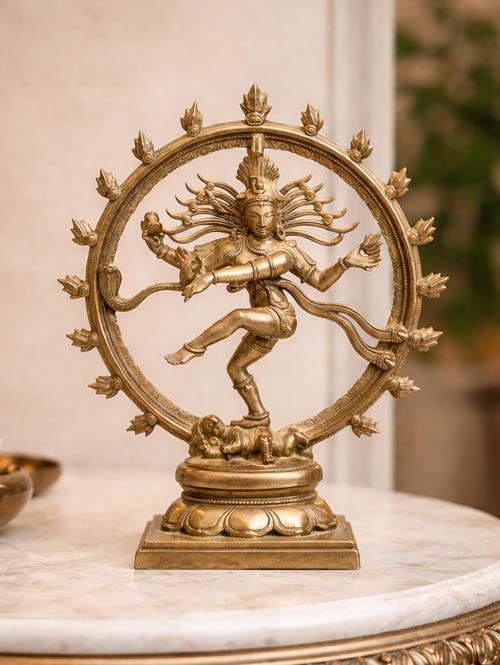
Most devotees would say the power comes from its sound, its pictures, and Ravana and Lord Shiva story. This Sanskrit stotra is written in long, flowing lines that speed up as you recite. The rhythm feels like the subject of the Shiva Tandava hymn itself, the lovely dance of Lord Shiva. Lord Shiva’s Tandava dance is traditionally linked with the cycles of creation and dissolution. The hymn turns that idea into pictures, like the moon on his forehead and Ganga in his hair. These Lord Shiva images make divine power easier to imagine. You do not need to learn every single word. Some start by just listening. Then they read the trusted translation and then slowly learn the meaning.
Shiv Tandav Stotram Benefits for Devotees
The Shiva Tandav Stotram benefits described below are traditional beliefs and personal experiences. They are not scientific or medical claims.
Deeper Devotion
Regular recitation helps many people feel closer to Lord Shiva.
Focus and Inner Strength
Holding the verses in mind gives the mind one steady thing to rest on.
Discipline
Praying at the same time each day builds a habit many devotees value.
A Stronger Bond with Shiva Worship
The story and music make daily prayer feel more alive.
Everyone feels the Shiv Tandav Stotram benefits in their own way. They usually grow with sincerity, attunement, and patience.
Bringing Lord Shiva’s Divine Presence Into Your Home
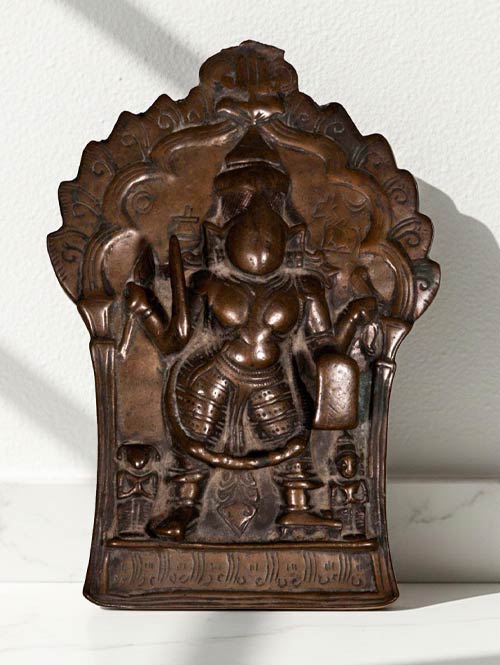
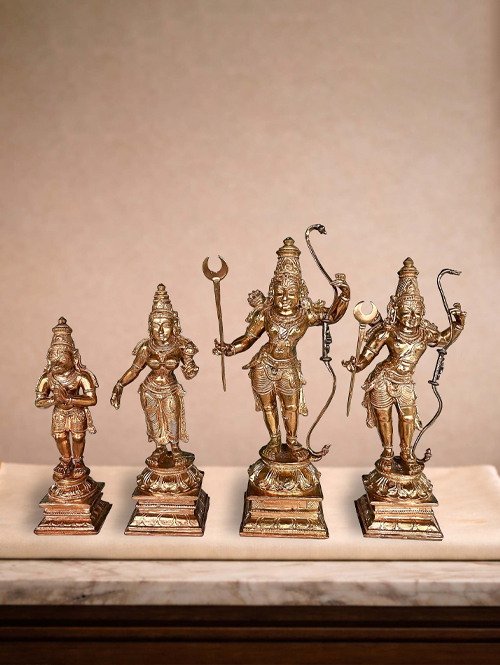
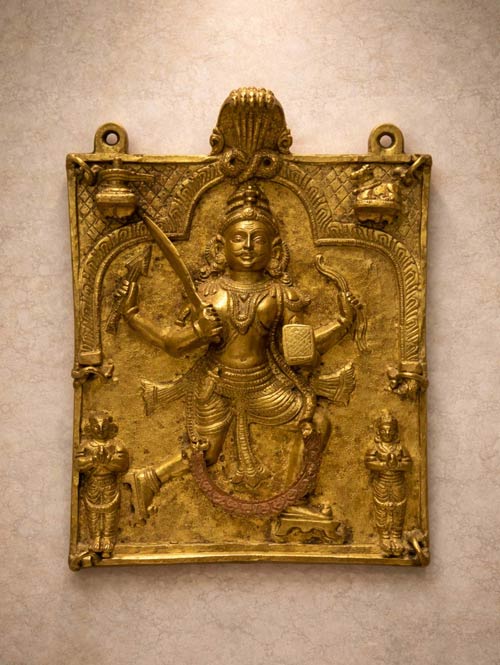
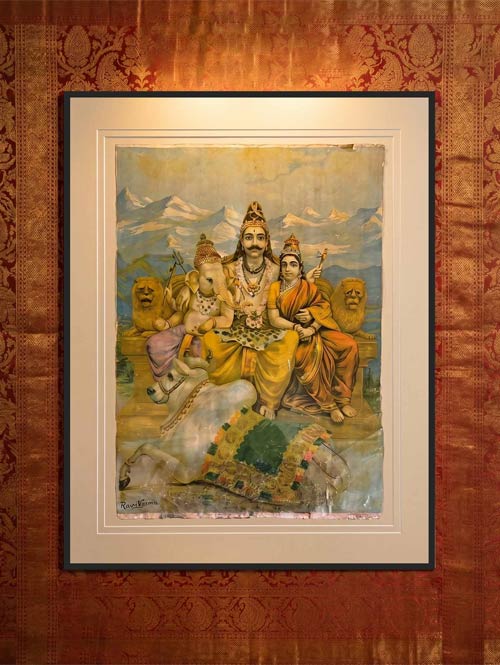
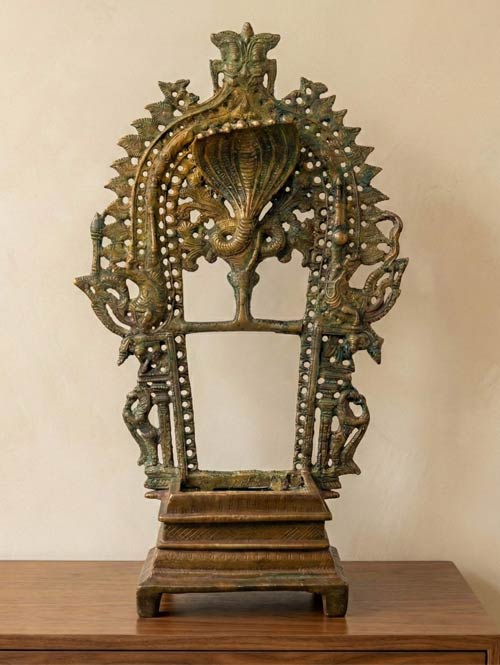
For most families, devotion is not just visiting the place associated with the god. For some, it is about lighting a lamp in their home temple, sitting for a few minutes, and offering a prayer with a Calm heart. A Lord Shiva murti gives that daily habit a place to rest your eyes and mind. A small home temple or a clean corner of a room is enough. Many devotees pick meditating Shiva, a Natarja, or the Shiva family. Size, material, and craftsmanship matter too, because a Shiva idol for home should suit your space and feel right to look at every day.
Cottage9 offers handmade devotional idols and murti made with care for people building a personal prayer space. When you are ready, you can browse the bronze statue collection on our website and choose the Lord Shiva statue that reflects your devotion.
Final Thoughts
Ravana’s story begins with pride and ends with humility. The hymn praises Shiva’s power, but it also reminds us that sincere prayer matters more than strength. The Ravana and Lord Shiva story behind it is one that many families still tell their children. If you would like a dedicated worship space at home, a Lord Shiva murti from Cottage9 can be a quiet daily reminder of that same devotion.
Frequently Asked Questions
Is Shiva Tandav Stotram mentioned in the Ramayana?
The history of Shiv Tandav Stotram says the Mount Kailash episode is in the Uttara Kanda of the Ramayana. The hymn itself is usually found in secret collections of devotional verses, and tradition credits it to Ravana.
Can anyone recite Shiv Tandav Stotram?
Yes. Devotees from any background recite it with respect. Learning the pronunciation from a teacher or a clear recording helps.
How many verses are there in Shiv Tandav Stotram?
Popular versions have about 17 verses, though the count can differ a little between sources.
What is the meaning of the word Tandav in Shiva Tandav Stotram?
Tandav means a strong, energetic dance. In Hindu belief, it is Lord Shiva’s dance, linked with creation and dissolution.
Is there a particular time to listen to Shiva Tandav Stotram?
There is no strict rule. Early morning, Mondays, Pradosh evenings, and Mahashivratri are popular. But you can listen in any calm and sincere moment for Shiv Tandav Stotram benefits.